Dietitian discusses what you need to know about grains and insulin resistance
By Michelle Jaelin, registered dietitian (RD) and nutritionist
The term “insulin resistance” has transformed from a quiet clinical term discussed solely amongst healthcare professionals into one of the most talked-about topics in modern wellness and social media.
Driven by the rise of continuous glucose monitors (CGMs) used by influencers, GLP-1 medications (like Ozempic and Mounjaro), and health optimization trends, insulin resistance is having a major moment.
But first off, what is insulin resistance and is it the same as diabetes? And does eating grains make it worse?
The science of insulin resistance – explained in simple terms
To understand insulin resistance, it first helps to understand how your body handles energy after you eat.
When you digest food, especially carbohydrates, your body breaks it down into glucose (blood sugar), which enters your bloodstream. Glucose is your body’s primary fuel source, but to actually use it, the sugar needs to get out of your blood and into your muscle, fat and liver cells. Grains are a primary source of complex carbohydrates, primarily consisting of starches and dietary fibre that break down into glucose for energy.
To get into your cells, is where insulin comes in. Insulin is a signaling hormone produced by your pancreas. You can think of insulin as a key that attaches to receptors on your cells, unlocking the cell door so glucose can move inside.
What actually happens in insulin resistance?
When your body is working normally, a small amount of insulin efficiently unlocks your cell doors. Glucose clears out of your bloodstream smoothly, blood sugar stays stable, and your cells get the energy they need.
In insulin resistance, those cells “lock.” Specifically, the internal signaling pathways inside the cell and become less responsive:
- The signal gets muffled: Due to factors over time like chronic inflammation, physical inactivity, excess visceral fat, or genetics, the signaling machinery inside your muscle and liver cells become sluggish. The cell keyhole becomes rusty or blocked.
- Glucose gets backed up: Because the cells aren’t responding quickly to insulin’s signal, glucose stays trapped in the bloodstream longer, causing blood sugar levels to rise.
- The pancreas overcompensates: Sensing that blood sugar is elevated, your pancreas works overtime to pump out higher and higher amounts of insulin to force those sluggish cell doors open.
At first, this emergency strategy works, your pancreas produces enough extra insulin to keep your blood sugar in a normal range. However, having chronically elevated insulin levels (also known as hyperinsulinemia) circulating in your body can cause fatigue, persistent hunger, and difficulty managing your weight. Over time, if the pancreas can no longer keep up with the demand, blood sugar levels begin to rise which lead to prediabetes and eventually type 2 diabetes.
Grains and insulin resistance
As a media registered dietitian and nutritionist, one of the most common questions I get from the public is: “Do I have to give up grains to balance my blood sugar?”
My answer is always a reassuring no. Grains are a primary source of carbohydrates. But goal isn’t to eliminate grains, but rather to choose whole, fibre-rich grain products that allow glucose to enter your bloodstream slowly and steadily.
Here is how specific grain products can support insulin resistance and how you can enjoy them in a balanced and sustainable way.
5 Grains for better blood sugar balance
Try to focus on whole grain varieties. Each of these five grains provide incredible metabolic benefits:
1. Barley
- The benefit: Hulled barley is exceptionally high in soluble fibre and resistant starch, which act as prebiotics to nourish beneficial gut bacteria and improve systemic insulin responsiveness.
- How to enjoy: Tossed into hearty vegetable soups, stews, or used as a base for cold summer grain salads. This Persian chicken and lemon barley soup is perfect for fall.

2. Corn
- The benefit: Grain corn is a versatile ingredient that often encourages cooking from scratch that can create lots of healthy meals. Use it alongside other proteins or grain products to ensure meals are blood sugar friendly.
- How to enjoy: Cornflakes shake and bake makes regular chicken protein fun and exciting, while these cornmeal raisin breakfast muffins when paired with fortified soy beverage make a blood sugar balanced grab and go breakfast.

3. Oats
- The benefit: Oats are rich in beta-glucan, a soluble fibre that forms a gel-like consistency in your gut. This significantly slows down digestion and blunts post-meal blood sugar spikes.
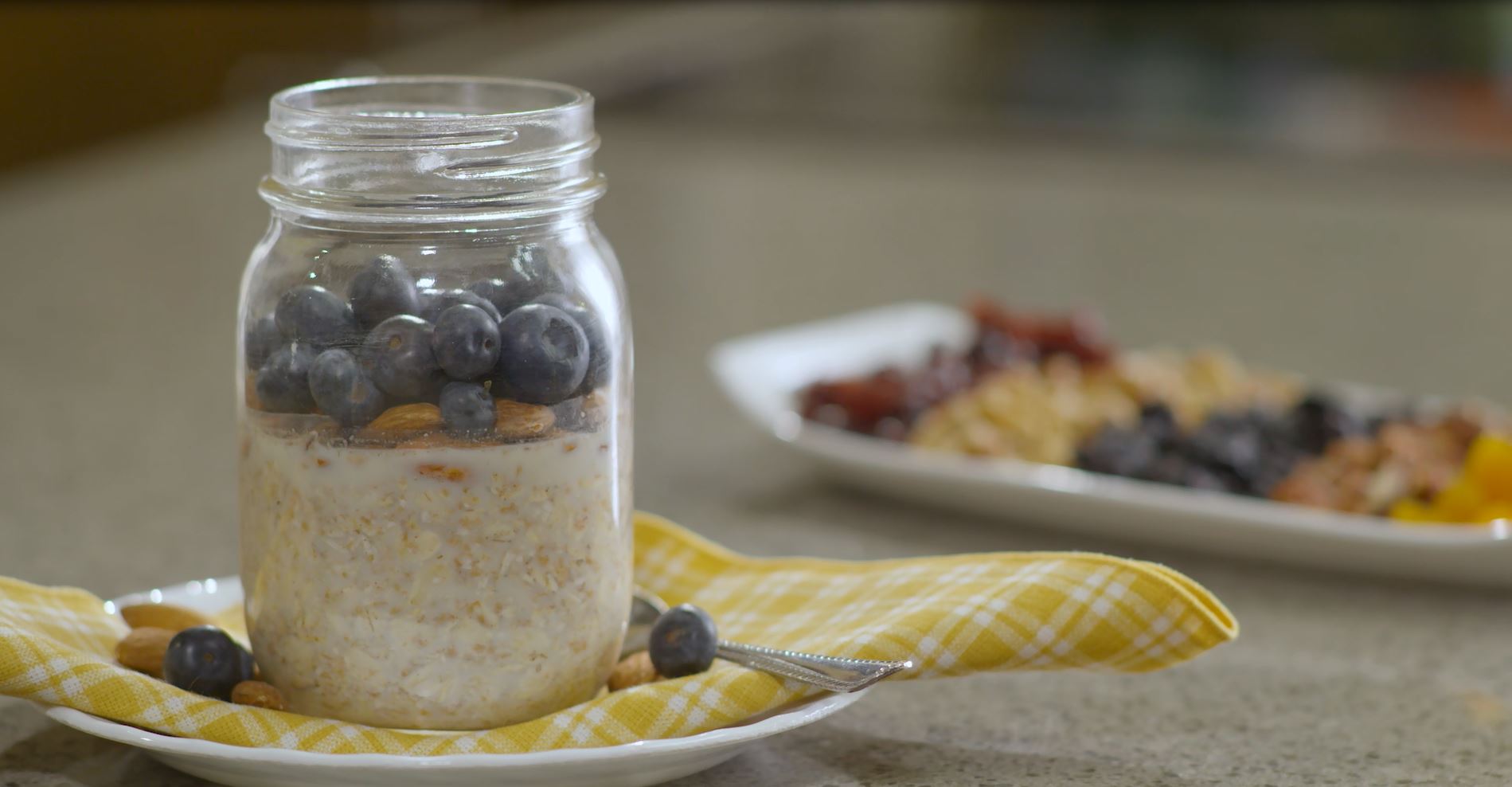
- How to enjoy: Steel-cut or rolled oats prepared as overnight oats with chia seeds, cinnamon, and a handful of nuts. Try this overnight oats recipe here.
4. Soy (Soybeans & Soy Products)
- The benefit: While technically a legume, soy products such as tofu and fortified soy beverage function as incredible protein powerhouses. They pair well with other grains such as wheat and barley to make blood sugar balanced meals.
- How to enjoy: Try a tofu scramble on whole wheat toast for breakfast or unsweetened soy beverage in a low-glycemic strawberry smoothie.

5. Whole Grain Wheat (Wheat Berries & Whole Wheat)
- The benefit: Unlike enriched white flour, intact whole wheat retains the nutrient-dense bran and germ, delivering fibre, B vitamins, and magnesium that protects against metabolic fatigue.
- How to enjoy: Swap enriched white flour products for whole wheat products instead or chewy whole wheat berry salads like this Greek style wheat berry and lentil salad.

Dietitian-approved tips for balancing your plate
You don’t need to eat whole grains on their own to see results. In fact, combining them strategically makes them great for your blood sugar:
- Practice the “Plate Method”: Aim to fill one-quarter of your plate with whole grains (like barley, oats, or wheat), one-quarter with lean protein or soybeans, and half with non-starchy vegetables.
- Pair carbs with protein and healthy fats: Combine grains with protein (lean meats, fish, eggs, tofu or beans) and healthy fats (like canola oil, avocado, or nuts) further slows digestion and minimizes blood sugar fluctuations.
- Prioritize less processed varieties: The closer a grain is to its natural, intact state (such as steel-cut oats or hulled barley over instant options), the gentler it is on your blood sugar.
The bottom line
Managing insulin resistance doesn’t mean breaking up with carbs or living on restrictive diets. By intentionally incorporating nutrient-dense options like barley, grain corn, oats, soybeans and whole wheat, and pair them with proteins and healthy fats – you nourish your gut microbiome, stabilize your energy, and support your metabolic health without sacrificing enjoyment.
Disclaimer: This blog post is for informational and educational purposes only and does not constitute medical or dietetic advice. Always consult with a qualified healthcare professional or Registered Dietitian before making significant changes to your diet or health regimen.
Michelle Jaelin (she/they) is a health communicator, healthy Asian food blogger, registered dietitian and nutritionist. Her favourite grain foods are pizza, chocolate peanut butter overnight oats and tofu stir fry on wheat noodles. Michelle resides in Hamilton, ON with her spouse, twins and rescue dog. Find Michelle online here:
Instagram@michellejaelinX@michellejaelin TikTok@michellejaelin
Facebook @NutritionArtistRD YouTube: @michellejaelin Website: michellejaelin.com