How grain farmers weather the spring
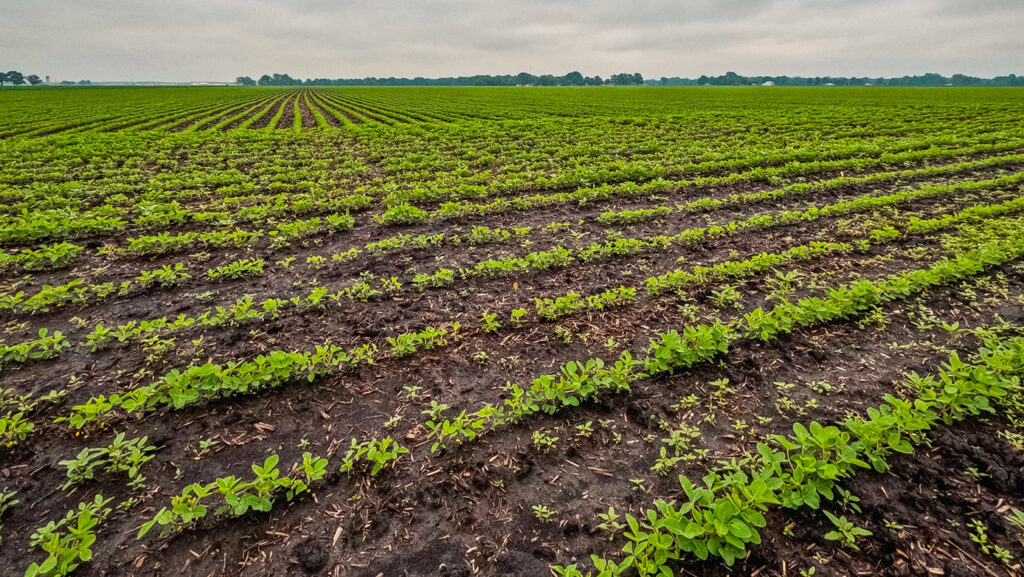
Spring has arrived, and that means farmers are starting to put in place the plans they made during the winter to prepare for planting season. This is a crucial time on any grain farm, setting the stage for the busy months ahead. Like any other plans which are set into motion, there are always aspects of farming which cannot be controlled for. Nature is often unpredictable, and it can have a large impact on how farmers approach planting season. Let’s explore some of the ways weather can impact how farmers approach planting and caring for their grains in the spring.
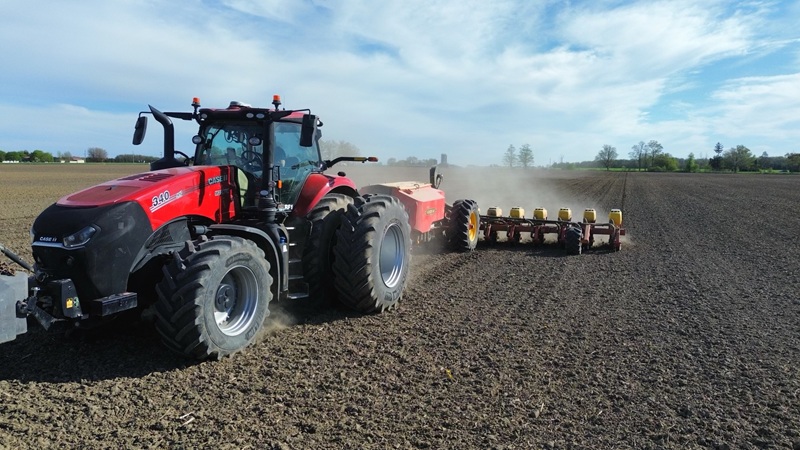
When will farmers start planting?
Most farmers will begin planting from late April all the way into June. Cool spring temperatures can pose a challenge for grain farmers. Some crops, such as barley, oats, and wheat, are more tolerant of the cold, but all grain crops require warmth to grow. For most crops, soil temperatures need to reach at least 10°C before seeds start to emerge, including winter wheat that has been lying dormant over the winter.
Plants not only need warmth to start emerging from the soil, but they also need adequately warm temperatures to keep growing. If temperatures drop or stay too cool, young plants may struggle or even die. Planting grains at the right time in the spring gives them more time to grow and produce more seeds to be harvested. This can also reduce the cost of growing the grains (we call this production costs) and allows Ontario farmers to grow more food for less.
Can rain be an issue for farmers?
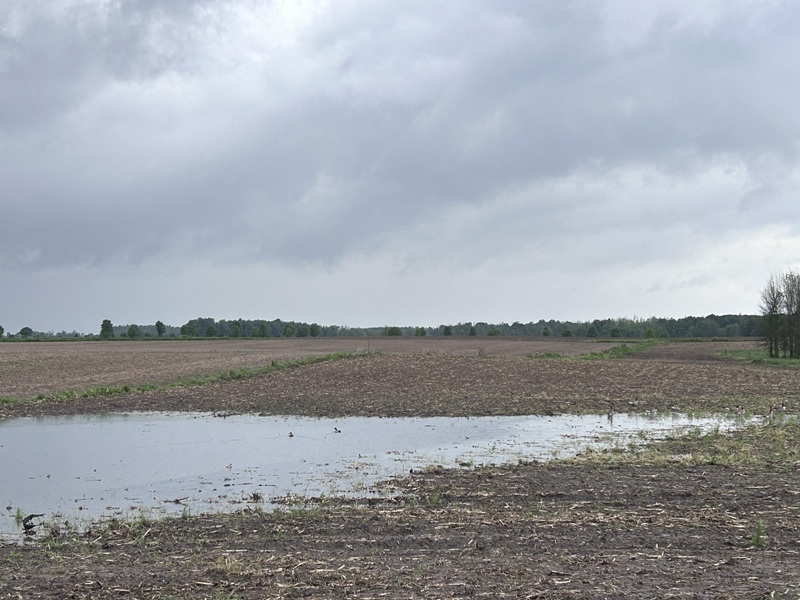
It’s easy to assume farmers always want more rain, and while it’s true that crops need water to grow, too much rain in the spring can cause problems for planting. Seeds planted into wet soil struggle to emerge and can even rot in the soil.
Excessive rainfall may also leave fields wet and muddy. Driving on water-saturated soil can lead to soil compaction, where air pockets in the soil are compressed. This makes it harder for roots to grow and access the nutrients they need, making it difficult for seeds to grow. To protect soil health, farmers will wait for fields to dry out before driving out with heavy equipment.
What about the wind?
As the season changes, farmers also need to watch the wind. Wind can present several challenges for grain farmers.
For example, when applying fertilizer or pesticides, strong winds can carry materials away from where they are intended to go, which can waste costly applications, and could affect the surrounding environment. To avoid this, farmers have to wait for less windy days to spray their crops.
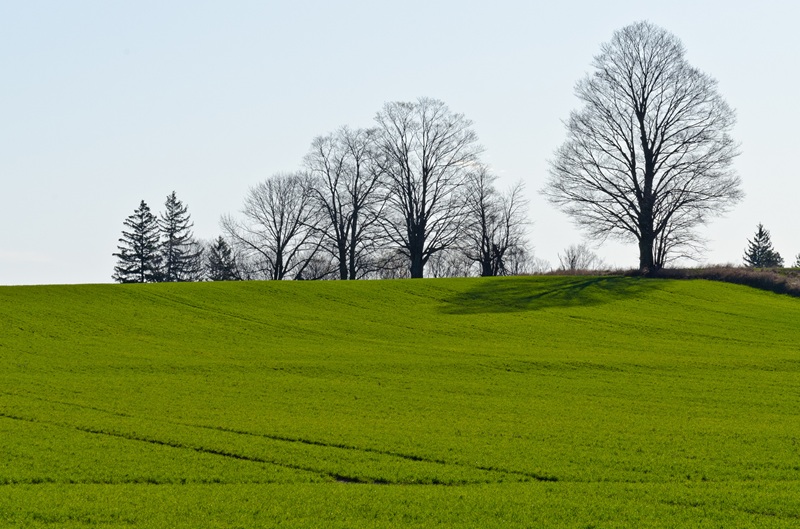
Heavy wind can also contribute to soil erosion, which wears away the top layer of soil that our crops are grown in. To prevent this, farmers use practices like planting cover crops, leaving harvested crop residue on fields, and planting rows of trees and natural vegetation, called windbreaks, to reduce wind speed. These practices help reduce the risks posed by wind and water erosion and help preserve the soil we need to grow crops.
How do farmers manage all these different risks?
Weather is one of the biggest factors affecting a farm’s success, and it’s something farmers monitor closely. They rely on forecasts, experience, and careful planning to decide when to plant and how to manage their crops. Farmers may even have to change which crops they grow for a year to account for soil conditions. Farmers have to be adaptable with their planting plans, especially in the spring when the weather can impact what they planned out.
Farming involves many moving parts and can often rely on factors which farmers cannot entirely control. While spring can be full of challenges, balancing growth, costs, and making decisions that can turn planting season into an opportunity for farmers to try new things and set the stage for a productive year ahead. To grow it successfully and keep food affordable, farmers must carefully watch and respond to the weather at every stage of growth.