Healthy soils for healthy grains
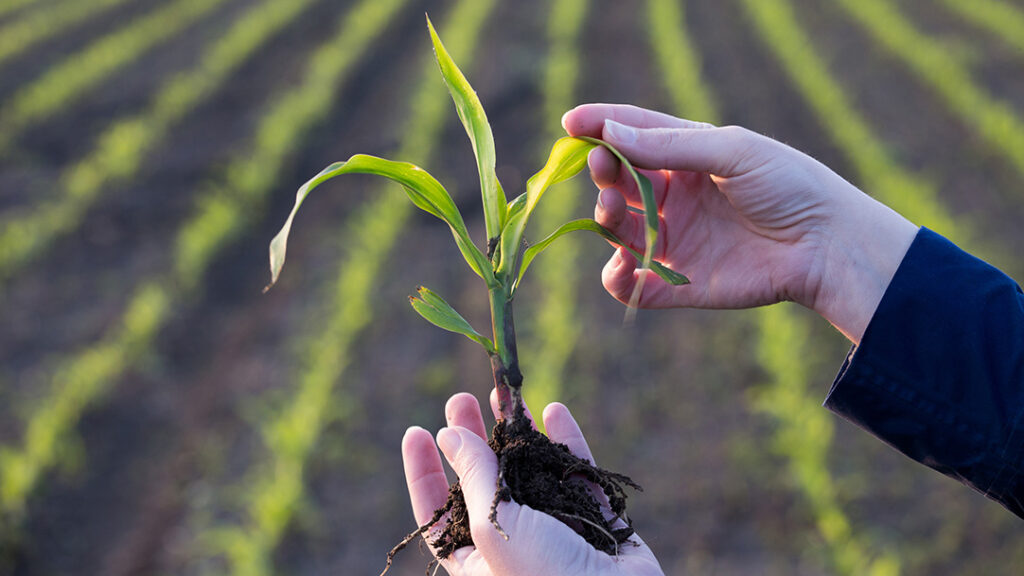
It is time again that the fields are starting to come alive as spring is fresh on our minds. April 22 is Earth Day, which is a great time to reflect on something we may not always think about: the soil under our feet. All our grains grow out of the soil, and it is very important for farmers to protect their soil to ensure good crops year after year. So how are farmers protecting their soil to ensure it’s healthy for years to come?
Cover crops
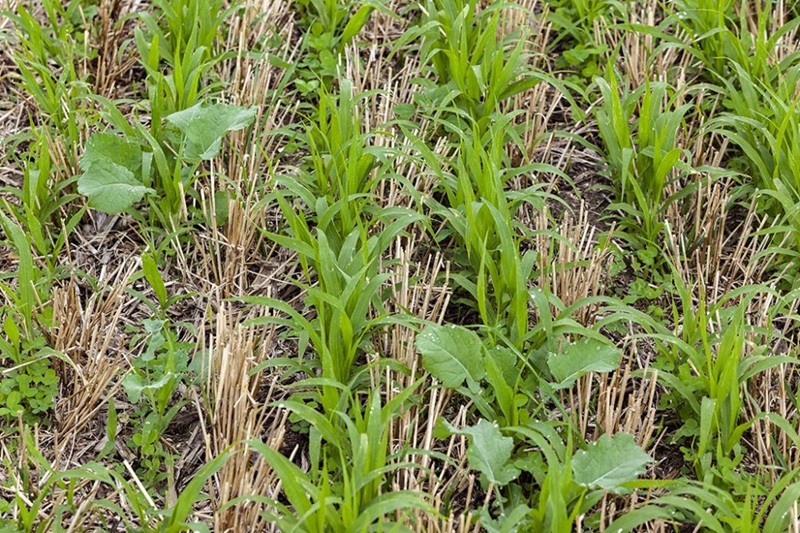
Sometimes, farmers grow crops that aren’t meant to be harvested at all. Cover crops are often planted after the main crop is harvested or are seeded between rows of growing plants. Instead of being harvested, they are left to break down naturally or are tilled to incorporate them back into the soil. They come with many benefits: reducing weed pressure, suppressing pests, and capturing surface water.
Loosely packed soil, especially bare soil, can easily be blown away by wind or washed away by rain and melting snow. The roots of cover crops hold the soil in place, keeping it from leaving the fields. In addition, as the plants break down, they cycle nutrients and organic matter (decomposing plant parts like leaves, stems and roots) back into the soil, helping it stay nutrient-rich and productive.
Crop rotation
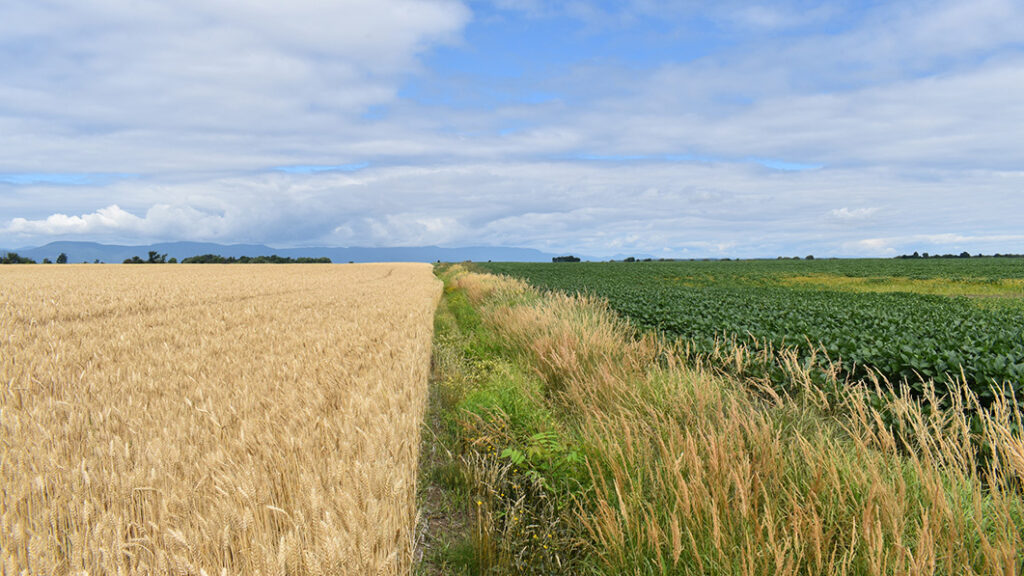
Beyond cover crops, farmers may change the grains which they grow from year to year, which is known as crop rotation. This can help prevent diseases from carrying over between crops and can help to reduce pest populations. Additionally, this sustainable practice can also help maintain and/or boost soil fertility.
Different crops use nutrients in different amounts, so rotating what crops are planted in the fields each year helps ensure no single nutrient becomes too depleted. For example, soybeans naturally add nitrogen to the soil from the air, so including them in a rotation can help replenish nitrogen levels after planting a crop that requires a lot of it to grow, like corn.
Soil testing
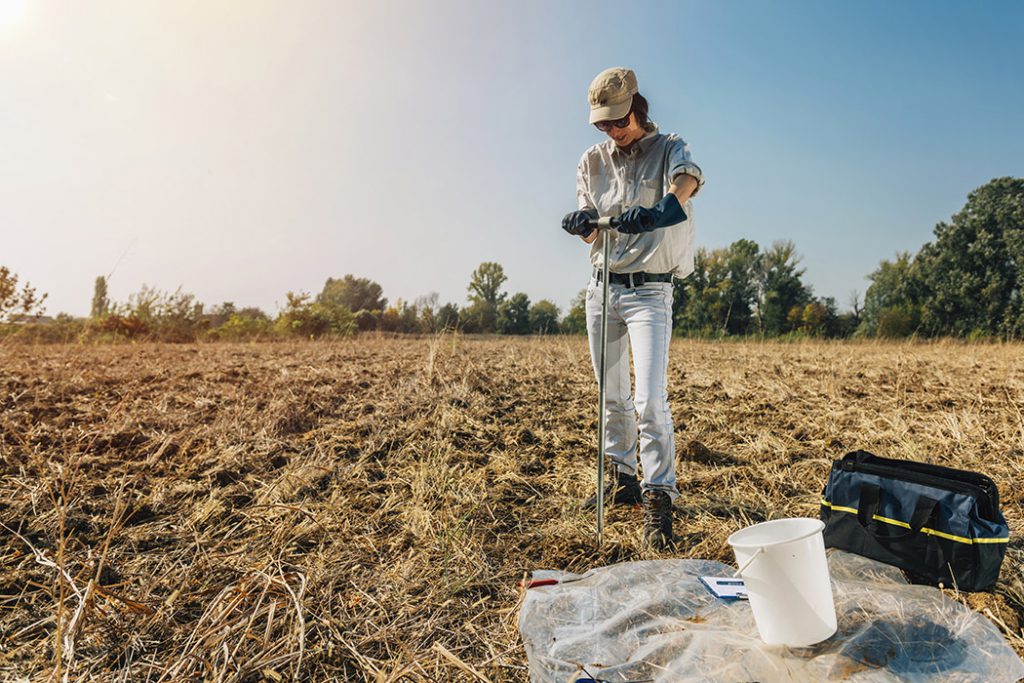
Just like we might go for a check-up, farmers often test their soil to check on the health of their fields. Soil samples are taken from different areas of a field and sent to a lab to be analyzed for nutrient levels.
Soil testing is very useful because it gives farmers precise information which then allows them to make decisions regarding soil health. They use the data collected to make decisions about applying fertilizer or implementing other soil treatments (like planting a cover crop!) to meet the specific needs of their fields. This testing can also help narrow in on specific problems found in particular parts of the fields.
Soil testing helps farmers decide what to use based on what their fields or growing crops need in order to keep the soil and surrounding environments healthy. By only applying what is needed, where it is needed, farmers can reduce additional issues like nutrient run-off or overuse of fertilizers.
Conservation tillage
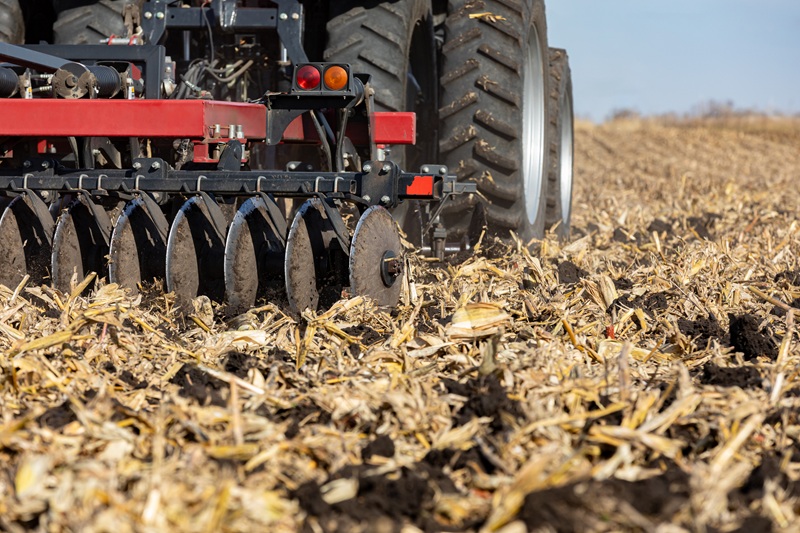
The way a field is worked can have a great impact on not just how it looks, but also its underlying structure. Tillage is the practice of turning the top layer of soil, which can help farmers incorporate nutrients, reduce compaction, and control weeds.
In the past, tillage was often quite deep and could gradually wear away the top layers of soil. In recent years, however, low- or no-till practices have become much more common. Conservation tillage is a practice of leaving 30% or more of crop residues (the plant parts left over after harvest) on the top of the soil, which can greatly reduce erosion and nutrient loss. Additionally, farmers that plant genetically modified crops, are leaning towards using more conservation tillage as they can use other tools such as herbicides to control weeds, instead of relying on heavy tillage.
Erosion control
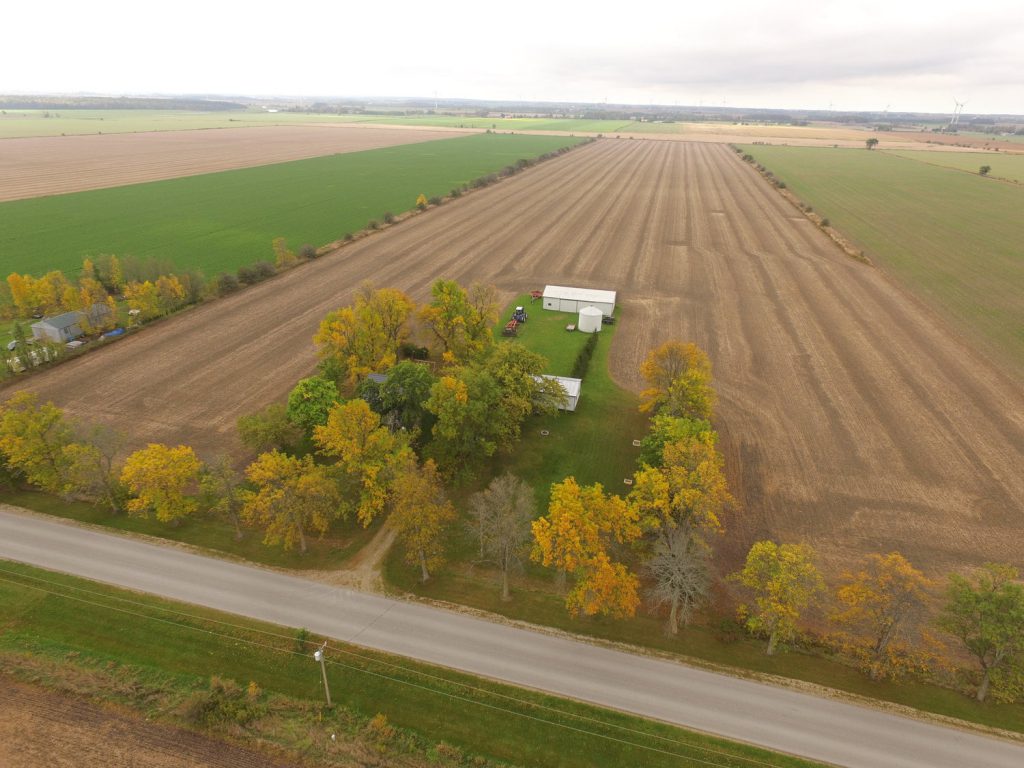
Many of the practices mentioned above help control erosion. Weather can be one of the biggest challenges farmers face, and it can have a large effect on the health of Ontario’s soils. Wind can move soil and heavy rain can increasing the risk of flooding and nutrient loss. Topsoil is the most fertile layer of soil, and it is constantly at risk. In addition to practices such as cover crops, farmers have many ways to prevent erosion:
- Planting windbreaks, or rows of trees along the edge of the field will help slow down wind before it reaches the field.
- Natural field edges can also help capture water running off the field, reducing water erosion.
- Perforated pipes installed underground help move excess water out of fields and improve drainage.
Farmers work hard not only to produce crops, but also to do so sustainably. Healthy grains start with healthy soil, and innovation in soil conservation continues to grow. Whatever approach or combination of approaches a farmer uses, they are out there thinking about the soil today, and for days to come.