#FarmHerOntario: Janet Smaglinski
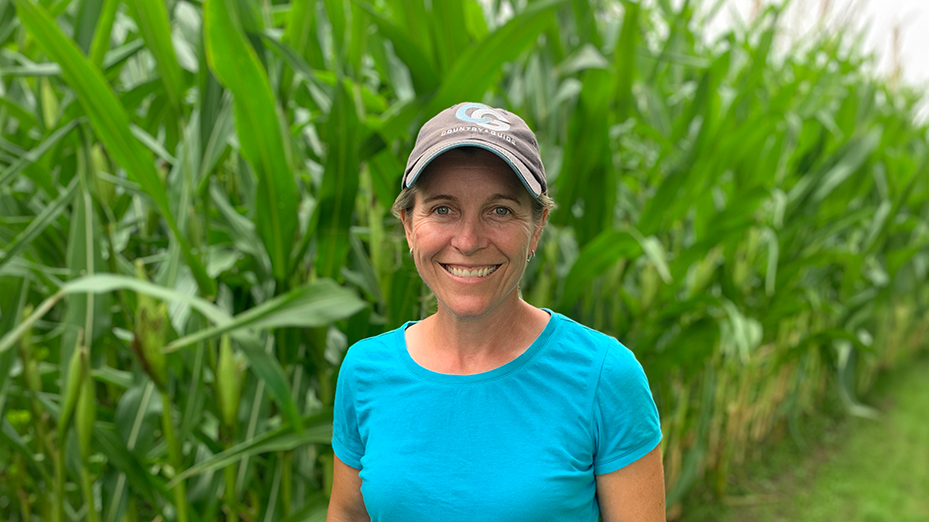
Did you know that 2026 is the International Year of the Woman Farmer? Join us throughout the year as we spotlight our #FarmHerOntario farmers to showcase the important role women grain farmers play in our food system. This month, Janet Smaglinski explores the cycle of crop production, and the many valuable lessons grain farming can offer.
My dad, sister and I run Reaburn Farms just outside of Beachburg, in the Ottawa Valley, Renfrew County. Currently we grow conventional food-grade soybeans, spring and winter wheat, canola and sunflowers on 900 acres of land.
We use everything we grow in different ways. The soybeans are shipped to a processing plant in St. Isidore and used for food-grade soy products while the wheat is sent to a port for export or to a flour mill for processing. Our canola is sent by truck to Hamilton or Becancoeur to be pressed for oil, and the byproduct meal is used for animal feed (which is also done with many Ontario grains, like soybeans). The sunflowers are cleaned and bagged on farm to be marketed locally for bird seed throughout the year.
I was born and raised on a farm. Even with its many challenges, farming is rewarding and has taught me many valuable life lessons. I am an active participant in the annual plant life cycle. I get to watch the tiniest seed grow, mature, be harvested, shipped, processed and finally packaged for consumers. There is also great sense of pride knowing that you are part of keeping the land preserved so that future generations can have the same experiences.
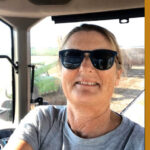
As the oldest of three girls, I was the first to try and learn everything. I started with barn chores when we were hog producers but quickly graduated to operating tractors, combines and planting equipment at a fairly young age. I was given not only the responsibility of completing specific jobs but also the expectation that they would be done well and without any damage to the equipment. Because of that, I now wear a lot of hats. On any given day I can be operating equipment, solving mechanical issues, and managing the farm books and records.
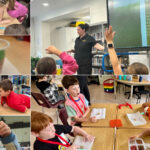
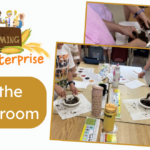
This doesn’t leave me with a lot of free time, but I do my best to use volunteer opportunities to educate others about our farming practices, the challenges we face and the reasoning behind our farm management strategies. Most people are interested in learning a little bit of insight from someone with firsthand knowledge and experience.
Farming has given me the opportunity to learn so many different things and I continue to learn more every day. Each day there is a different challenge or problem to face and solve. It gives me the ability to enjoy fresh air, sunshine and the smell of freshly turned soil.
I was able to watch my kids grow up learning the same things that I did and become capable, well-rounded adults. I get satisfaction from using my skills to nurture crops, watching them grow and become something that feeds people.