
Classroom Spotlight: My first year using STEMterprise in Grade 3
By Kylie Carter, Grade 3 Teacher at OCSB
This year was my first time using Ontario Farming STEMterprise with my Grade 3 class, and I found it to be a flexible, approachable, and meaningful way to connect plants, soil, food, farming, financial literacy, and entrepreneurship. I work at a student support school where one of the first concerns of every day is whether or not students have had breakfast. Participating in STEMterprise allowed students to take a more meaningful look at where their food comes from as well as the chance to use a recipe that they can recreate at home in order to enjoy breakfast over the summer months.
As a Grade 3 teacher, math is often the main focus, and science can sometimes take a backseat. What I appreciated about STEMterprise was that it helped me bring science to life in a hands-on way, while also connecting to language, media, and real-world learning.
Most importantly, it helped my students see how plants and soil connect to the food on their plates.
Starting with entrepreneurship
I introduced STEMterprise early in the year through the idea of becoming entrepreneurs.
As a Catholic school, we often try to contribute to charity during the Advent season, usually through a food drive. This year, using materials found in the “dark corners” of our supply closet, my class made buttons and sold them. Looking back, if timing were more aligned, Advent would have been a great season to start the granola bar businesses. However, it did offer a great opportunity to talk about entrepreneurship – what went well, what they would do differently and from here, I introduced the Entrepreneurship Challenge (Stage 1 of STEMterprise). The winter months were a great chance to dive into Stage 1 and Stage 2 of the program.
The biggest highlight: Asking the Principal for a loan
The biggest highlight of STEMterprise was when my students took on a real-world business challenge: pitching their granola bar company to the school principal.
They wrote a formal letter and mini business proposal asking for a small loan to buy ingredients like oats, honey, and dried fruit.
As a class, we calculated ingredient costs and set a selling price that would allow us to pay back the loan while still making a profit.
This was where the project really came together.
Students were not just writing a letter because I asked them to. They were writing for a real audience, with a real purpose, and a real goal. It connected naturally to persuasive writing, financial literacy, media literacy, teamwork, and problem solving.
It also gave students a huge sense of ownership. They felt like they were building something real.
What my students enjoyed most
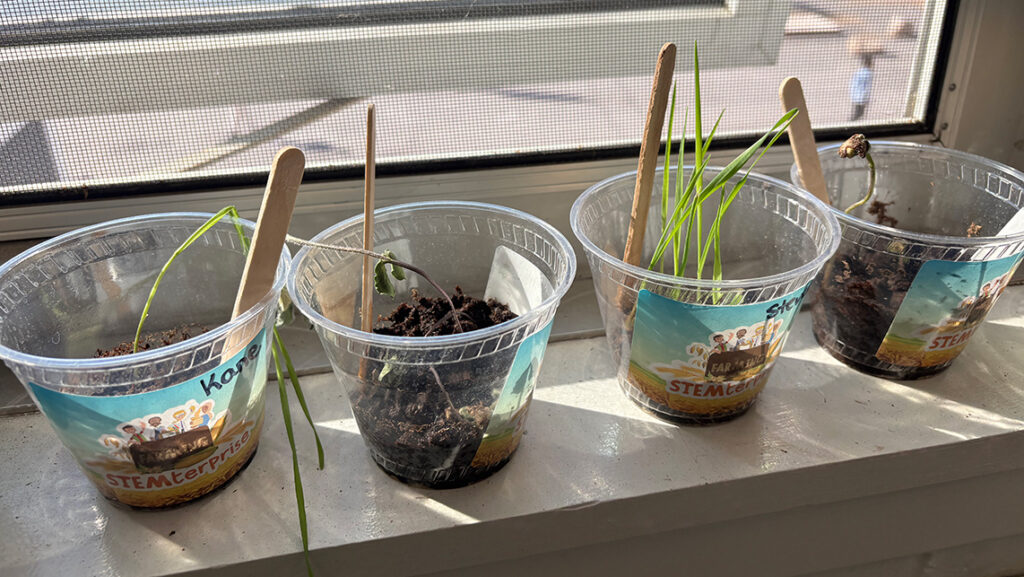
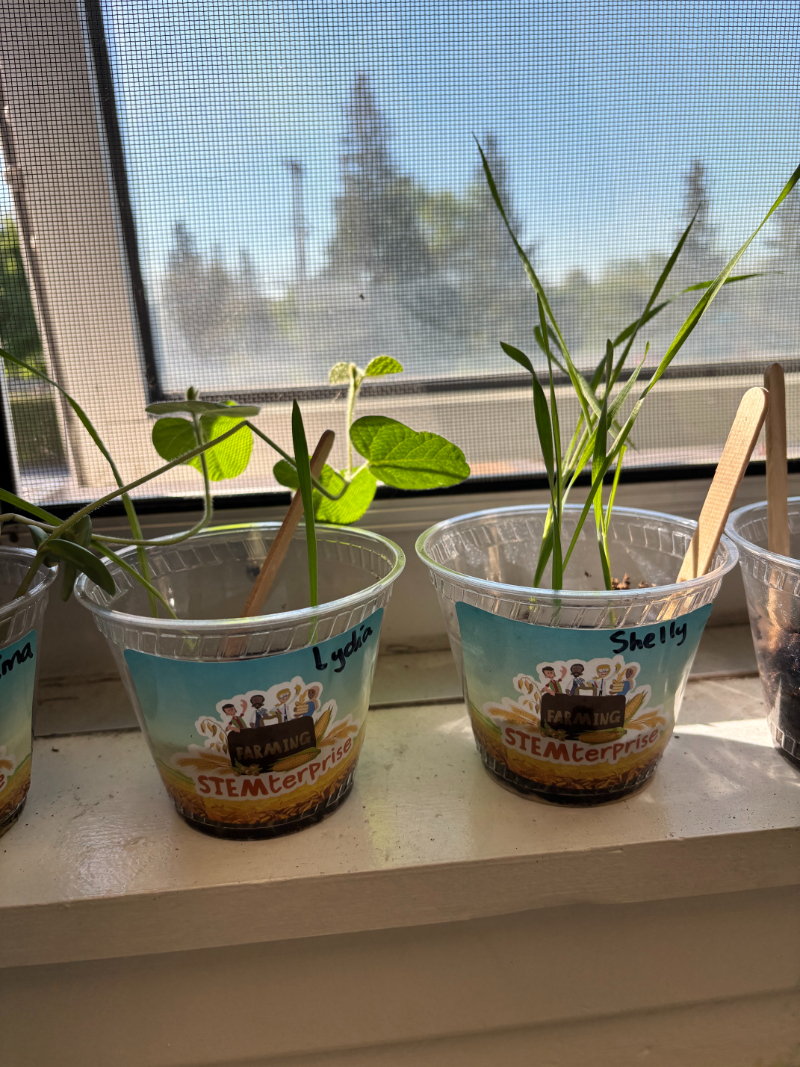
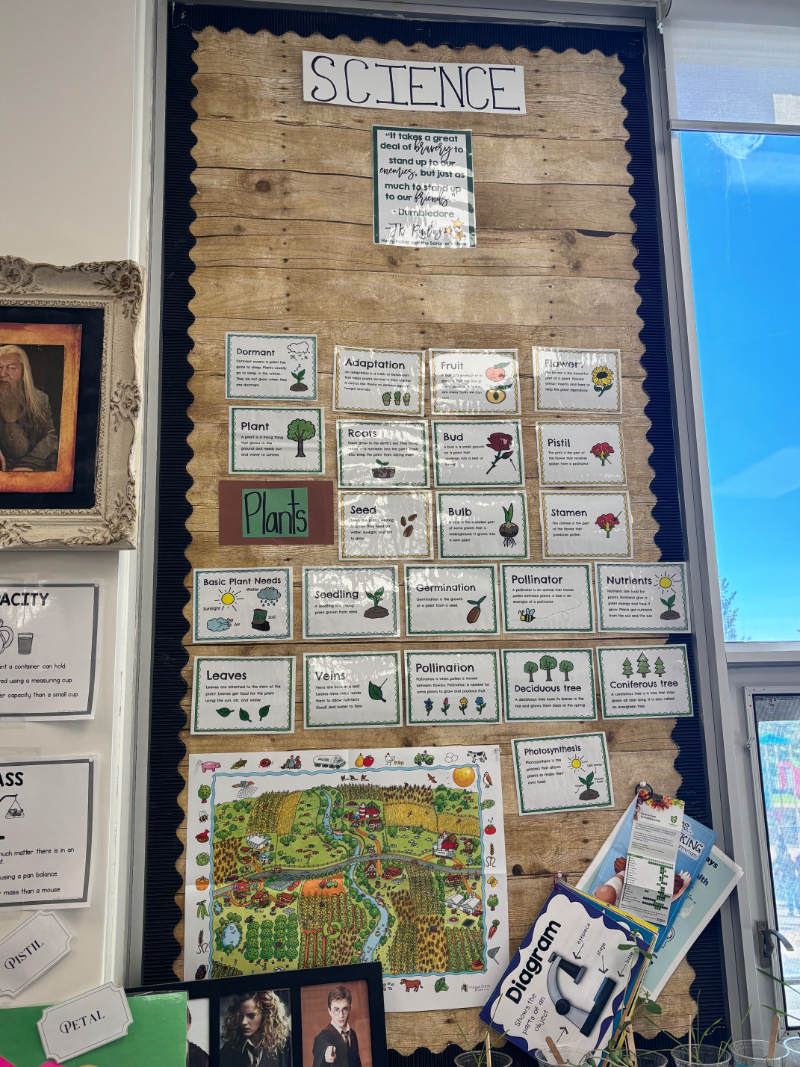
As fun as it was to create granola bars and “sell” their products, what my students enjoyed most was planting.
They loved:
- checking in on the class garden
- watering the plants
- watching for new seedlings
- seeing large root systems become visible
I was surprised by how well students handled the ups and downs of growing plants (Stage 3, Lesson 4). Even when a plant was struggling, they did not get overly upset because it was a classroom garden rather than an individual plant.
Next time, I would like to try planting different seeds in different types of soil, such as sand, so students can compare what happens.
Hands-on soil learning
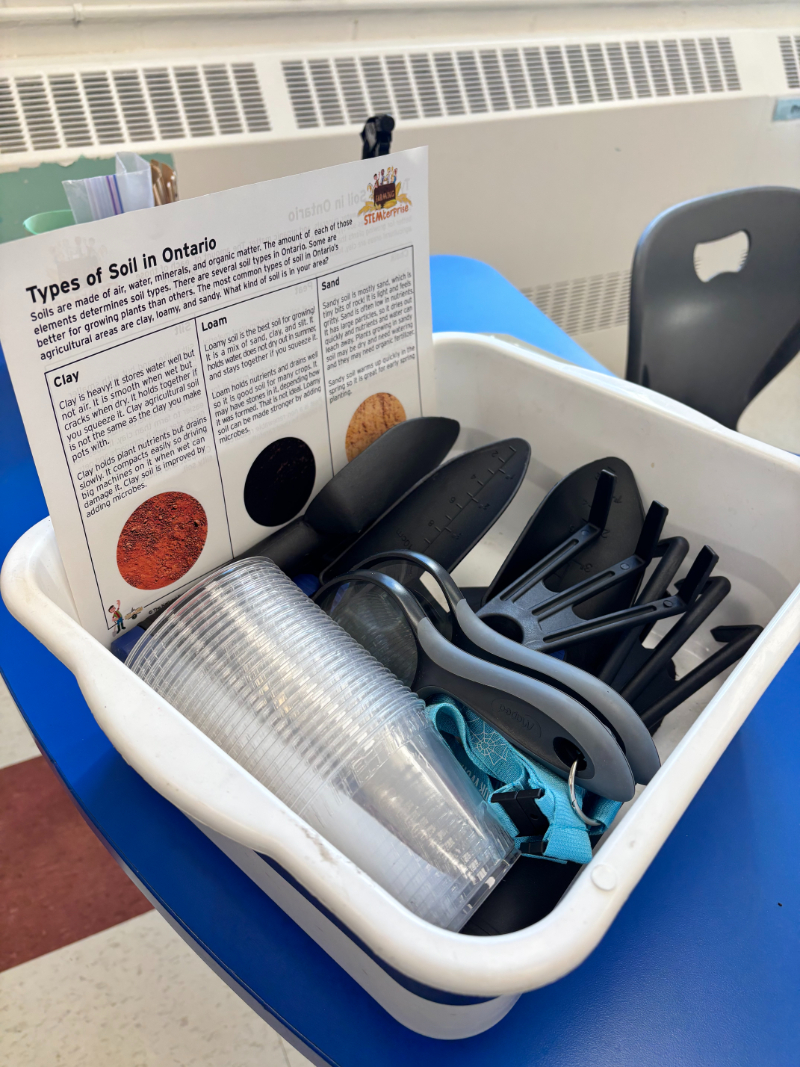
The soil activities were also memorable.
We did a soil horizons activity where students learned about the layers of soil while making a sweet treat. It made the concept more concrete and gave students a chance to try some ingredients they might later consider for their granola bars.
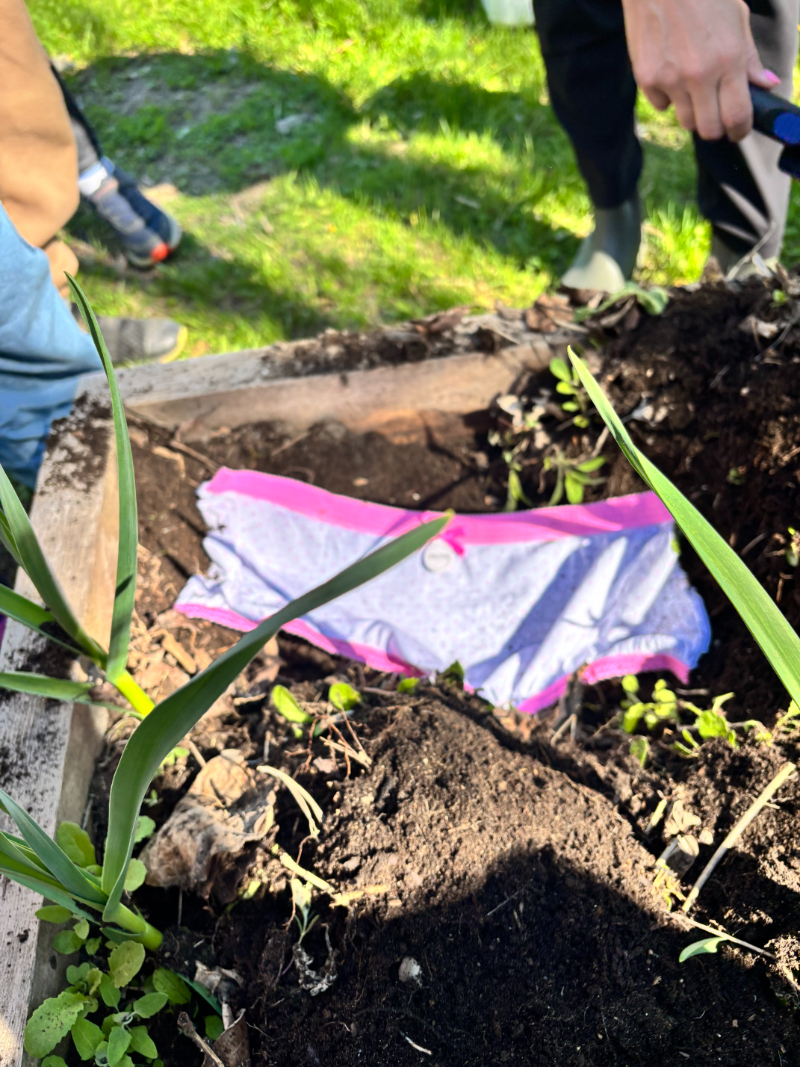
Another highlight was planting underwear to explore soil health and decomposition. The activity was hilarious and definitely caught students’ attention. I only wish we had planted it earlier so it could stay in the ground longer.
Extending the learning
One of the ways I extended the STEMterprise learning was by connecting it to a field trip my class took to the Canada Agriculture and Food Museum for the Need to Knead program.
This was not part of the STEMterprise project itself, but it connected beautifully to the learning we were already doing about grains, food, plants, farming, and where our food comes from.
Students had a chance to:
- handle raw grains
- grind flour
- knead dough
- explore yeast and fermentation
- examine wheat kernels
- learn about harvesting wheat
Of course, the best part was tasting the fresh-baked bread at the end.
The field trip helped reinforce the STEMterprise learning in a memorable way. It gave students another opportunity to connect what we were learning in class to real food, real grains, and real agriculture.
How I adapted the project
One of the things I appreciated most about STEMterprise was the flexibility.
The weeks leading up to EQAO are very math-heavy, and spring is always busy. Because of that, I spent most of May focusing on plants and most of June focusing on soil.
The business portion was still valuable, but it felt a little rushed this year. Next year, I would like to adjust my long-range plans so that April becomes more of a business and planning month. That would give students more time for the entrepreneurship side before the end-of-year rush.
At first, one of my biggest challenges was figuring out how to fit everything in and how to combine the STEMterprise resources with resources I already use.
After talking with Lindsay Elgersma, from Good in Every Grain, I was reminded that the resources are free. They are free to use in whatever way works best for my classroom. That helped me give myself permission to pick and choose.
Support along the way
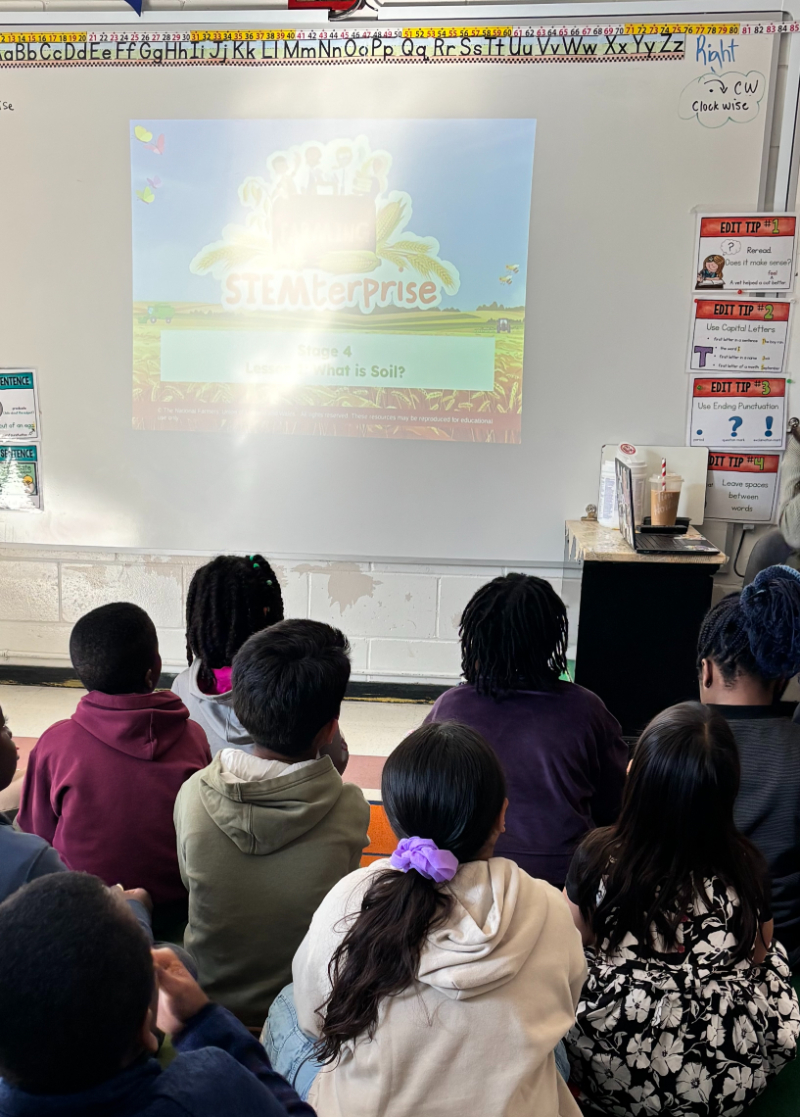
I absolutely loved having Lindsay come into our classroom and share her own personal experiences as a farmer.
Not every classroom gets this kind of opportunity, so if you ever have the chance to sign up for a pilot, do it! The support is so valuable.
Her guidance, flexibility, and encouragement were invaluable. Any time I ran into an issue, she was quick to help.
The teacher PD workshop that our board put on was also very helpful. It gave me so many ideas and helped me see different ways the project could work in my classroom. In the future, I would love to see a video tour of a local farm. My students really connected with the large farm photos Lindsay shared during her visit.
My advice for first-time STEMterprise teachers
My biggest advice is: do not be intimidated by the volume of resources.
Start with the flow chart of the stages and let that help you decide:
- what you want to tackle
- what fits your schedule
- what will work best for your students
In my first year, it was hard to pre-set a path because I did not fully know the project yet. Now that I have a better understanding, I can already see how I would adjust the timing next year.
Even dipping your toes into one or two lessons would be worthwhile.
Give yourself the grace to follow your own plan.
Final reflection
I think STEMterprise is approachable for many classrooms, even beyond Grade 3. There are pieces, especially the business model, that could be modified for other grades or different activities.
For Grade 3, I found it to be a flexible and classroom-ready way to make science more meaningful.
Students were able to flourish in their understanding of plants and soil because they could see firsthand how these topics connect to the food they eat.
As a teacher, I appreciated the easy-to-access slide decks, worksheets, flexible planning stages, and continued support from Good in Every Grain along the way.
STEMterprise gave my students a chance to grow, create, ask questions, make connections, and see themselves as both scientists and entrepreneurs.
For a first year, that felt like a big success.