Corn whisky: Canadian as ever

Canadian rye whisky has a wide appeal for local and international consumers alike for its unique flavour, but did you know rye can also be made from grain corn? In fact, much of what we call “rye whisky” is made from grain corn, not the grain rye, with the name rooted in fascinating historical traditions here in Ontario
How whisky came to Canada
Canadian whisky carries back long roots which explain the name rye. Early Canadian distillers originally made whisky from wheat but eventually started experimenting with other grains. Adding small amounts of rye grain gave whisky a distinct, spicy flavour which eventually came to give Canadian whisky its name.
Eventually, most whisky producers shifted to using corn as an ingredient. Corn is preferred for making whisky because it produces more alcohol by volume than other grains while having a mild flavour. This lets whisky producers carefully select the kinds of flavour they want in their whisky. Nowadays, often just a bit of rye or other grains are added to achieve the desired taste. Additionally, for Ontario whisky producers, they can rely on the nearly two million acres of high-quality grain corn that is grown locally within the province for their whisky blends.
The whisky-making process begins with mashing up the grains to create a blend. This mash is then soaked and heated to activate enzymes, which convert starches into fermentable sugars. After cooking, the mixture is cooled and transferred to fermentation tanks, where yeast is added to transform the sugars into alcohol. Corn mash will reach an average of 14% alcohol content, while rye mash typically produces 8%, making corn a favoured choice for whisky-making.

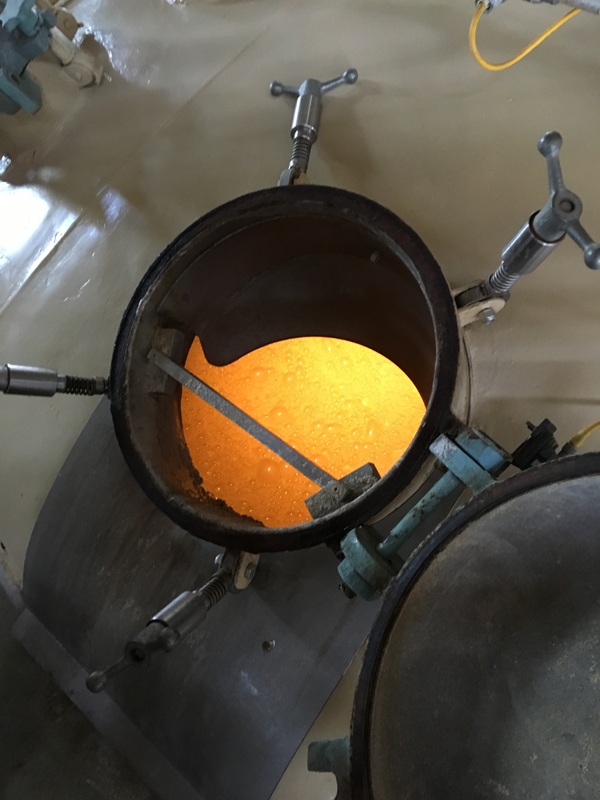
Once the fermentation has taken place, the liquid is then further distilled to increase the alcohol content, and then the complete mixture is aged in a cask to round out the flavours. All these factors: the corn used, the mixture of grains, and the aging process, come together to form the unique character of Canadian whisky.
Beyond the bottle
The alcohol produced from corn isn’t just used for whisky production; it’s an important component to many things, from hand sanitizer to biofuel production. Ethanol, the alcohol produced from fermenting corn and other grains, is often added to gas to help fuel cars and other vehicles.
Corn is also a component of many things we use every day. Did you know that corn is used in over 4000 products you may see every day? The uses for grain corn are nearly endless, from chips and tortillas to even toothpaste and mouthwash. Even the leftovers from whisky and ethanol production can be used as animal feed, known as distillers’ grain. Every part of the plant is packed with value, whether it is used for whisky production, animal feed, or any other product we find on the shelves. More than that, corn whisky is also an important part of Canadian culture, serving as the backbone for the crisp Canadian rye enjoyed across the world. Even when it isn’t the headline ingredient, corn plays a quiet but important role in our lives.
If this talk about corn whisky has gotten you thirsty, check out our recipe for a crisp Hot Toddy or an energizing whisky-based Dark and Stormy.