Add protein to your diet with grains

When it comes to eating well, many people struggle to get enough protein in their diets. With affordable food a concern for many Ontarians, protein rich diets can seem dauting. However, did you know that our Ontario grains are often both high protein and affordable? Let’s explore some ways you can reach your protein goals with grains.
Whole Wheat
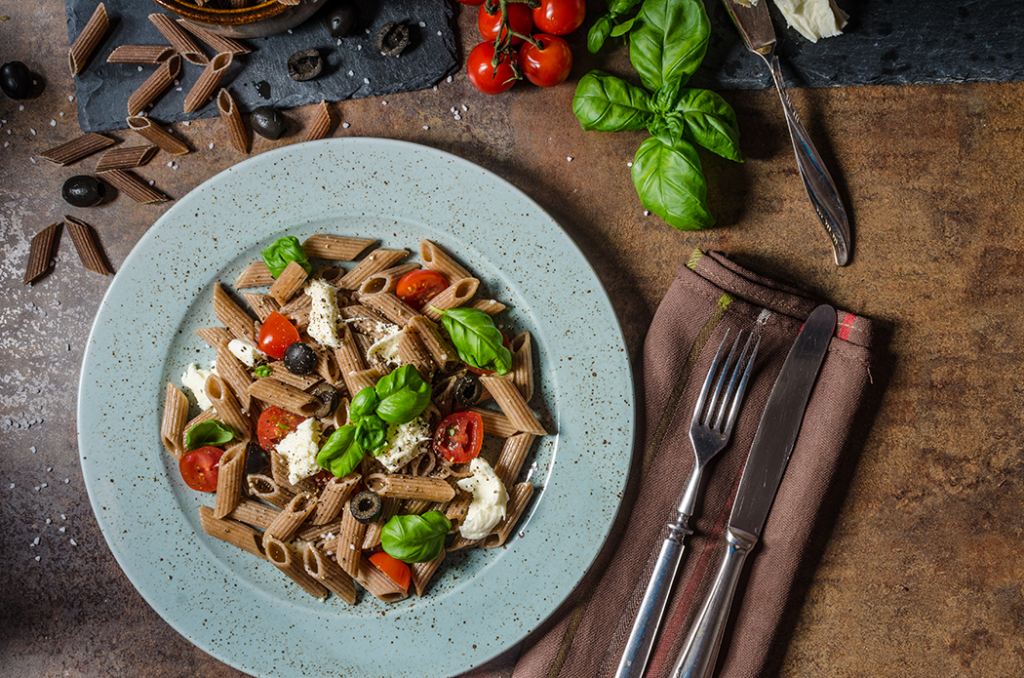
There are many varieties of wheat, each with different protein levels, but generally, whole grains offer the most protein. This is because whole grains foods are made to include the entire wheat kernel, including the protein-rich germ. Whole wheat pasta can contain 7.6 grams of protein per cup, and wheat berries contain 7 grams of protein per cup.
One of the proteins found in wheat and barley is gluten, which is safe and nutritious for those without Celiac disease and can help you meet your daily protein intake. Choosing whole wheat also helps ensure you’re getting enough whole grains, which support sustained energy and activity throughout the day. Add whole grains to plate with a dish of tomato, basil, and garlic whole wheat pasta.
Soybeans
Soybeans are another standout when it comes to protein. They’re known as complete proteins, which means they contain every type of amino acid your body needs from your diet. Because of this, soybeans have often been used as an alternative source of protein for those eating a plant-based diet.
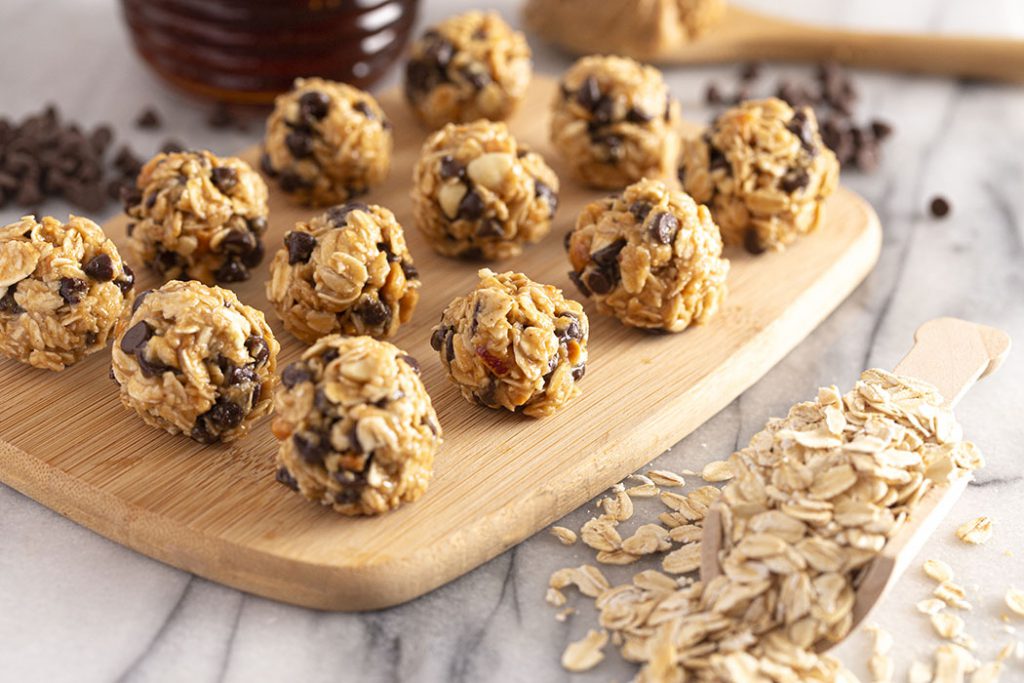
Soybeans are also a concentrated source of protein compared to many other foods. For example, two tablespoons of soy butter have about 7 grams of protein, and one half-cup of firm tofu can have up to 22 grams of protein. This makes them a great option for boosting energy or rounding out the nutritional profile of a meal. Try some soy butter-filled protein power balls for a workout snack.
Oats
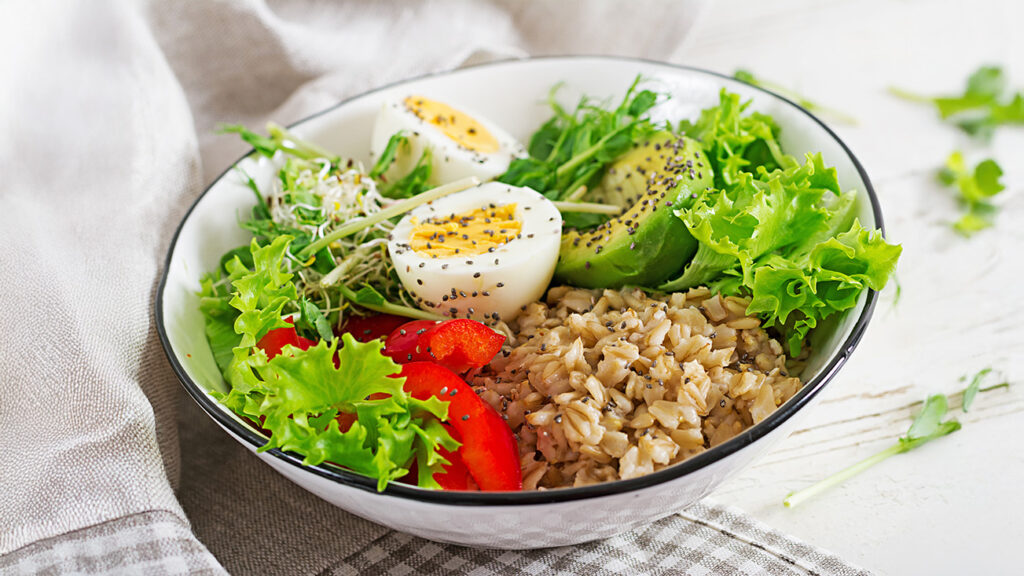
Another good source of protein to try are oats. One cup of cooked oatmeal provides about 6 grams of protein, while a half-cup of dry rolled oats contains a similar amount. Not only are oats good for meeting your protein goals, but they are also known to be good for the heart! Consuming oats reduces the risk of cardiovascular disease and helps stabilize blood sugar, making it a great choice for everyday eating. Combine oats with other proteins to create a whole, nutritious meal.
If you’re looking for ideas, try this savoury oatmeal bowl with veggies and eggs.
With so many options out there, meeting your protein goals while staying healthy and within your budget is more than possible. Whole grains make reaching your protein goals both attainable and enjoyable.
Check out some of our other grain recipes for more ideas.