What is edamame, and how is it connected to soybeans?
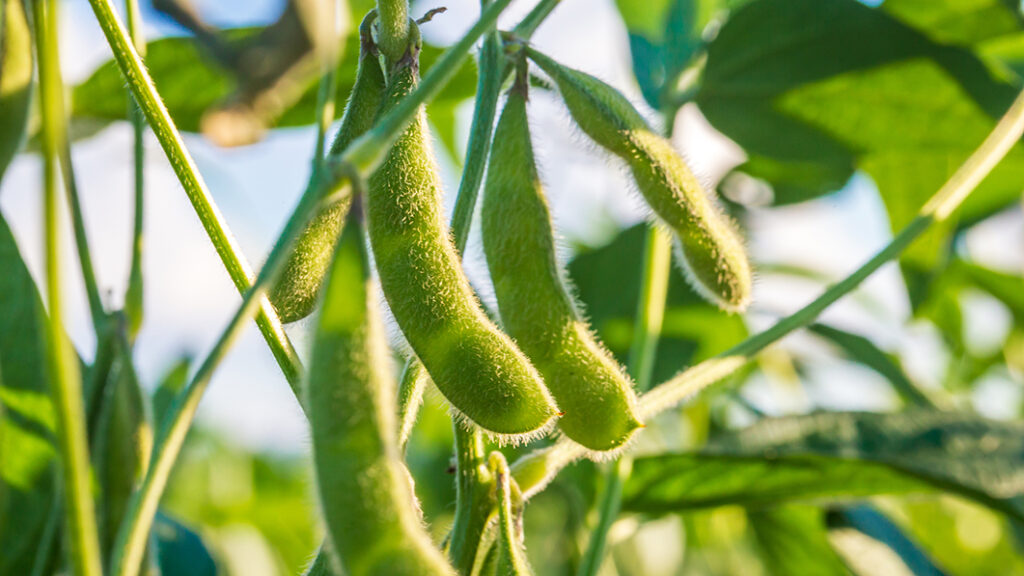
We often get questions about many grain or oilseed related foods and how they connect the grain crops grown here in Ontario. Edamame is something we often hear people enjoying as a snack, side dish with their sushi meals, or added into a stir fry or power bowl for a protein boost. But what is edamame and how is it connected to Ontario soybeans?
Edamame: harvested as a vegetable
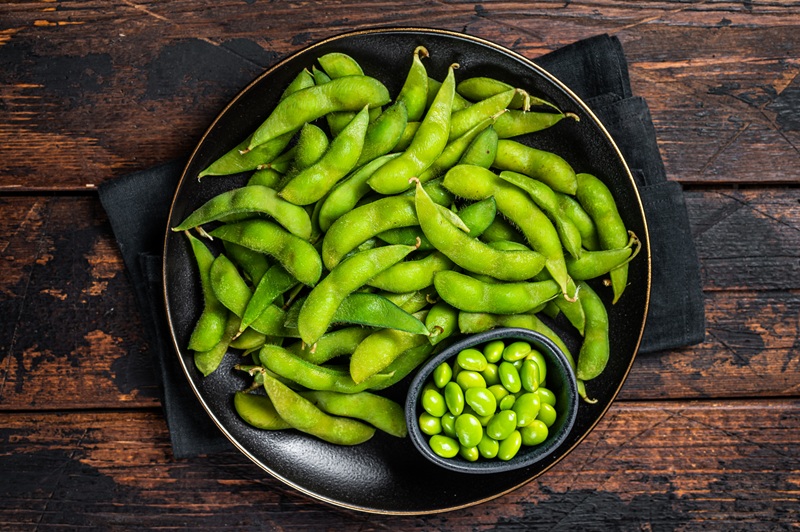
Edamame is a vegetable soybean that is harvested at an immature stage, when the plants and bean pods are still green and at the peak of sugar levels, which then results in the best flavour. The harvested beans (either shelled or in the inedible pod) are typically steamed and is a staple in some Asian diets and is growing in popularity with Western consumers.
In a nut-shell (pod shell?) edamame is grown like a soybean crop but harvested like a vegetable crop.
How does this relate to Ontario’s soybean farmers?
Ontario grows just under 3 million acres of soybean each year (that is the equivalent to roughly 7.5 million hockey rinks worth of farmland!) that can be used in many different ways.
However, edamame isn’t something that is commonly grown here in Ontario. While we grow high-quality soybeans, many existing types of edamame varieties have been developed in Asia and are best suited to the climate in that part of the world. Research has been underway in Ontario to understand what variety best grows here, and that can still maintain optimal taste. In order for edamame to have the best flavour, it must be harvested when the sucrose and amino acid levels in the beans are at their peak. This is a very short time span, often only a few days and the challenge has been developing an edamame variety that tastes good and grows well in Ontario’s climate and growing conditions.
Similarly, we see this across Ontario with sweet corn and grain corn – two delicious growing crops, but used for vastly different food items.
Looking for ways to incorporate more soybeans into your diet? Try these tips!
- Use soy beverage as a base for a fruit smoothie
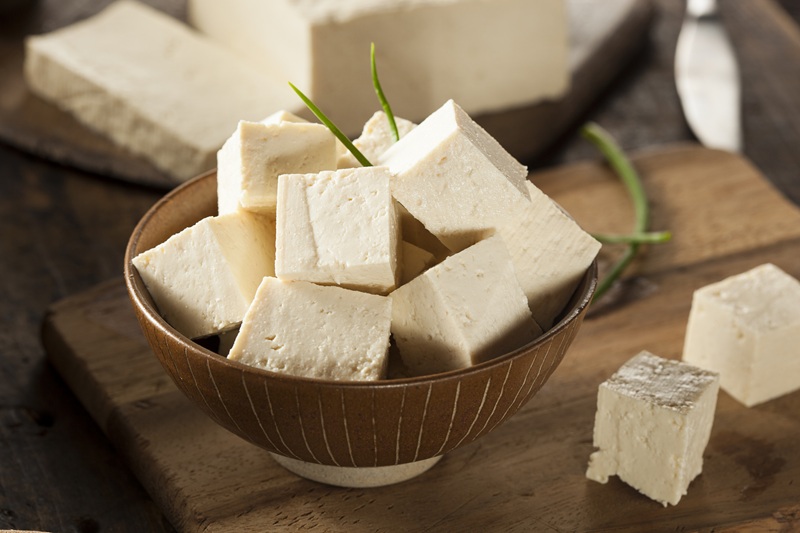
- Try tofu as a protein alternative for your next stir fry
- Malabi, also known as milk pudding, is a very popular dessert in the Middle East that is traditionally made with whole milk and rose water. Give it a twist and incorporate soy beverage for a sweet treat.
- Explore the umami flavours of soybeans with a warming soy broth ramen.
- Miso soup is a great way to try out soybean in your meals this fall!
- Keep your mind alert and your heart healthy with a tofu scramble that is a great alternative to scrambled eggs!
- Create protein power balls that replace peanut butter, with soy butter made from Ontario soybeans.