Places you may not expect to find Ontario grains
“There’s grain in that?”
While traveling across Ontario this summer, our Grain Discovery Zone ambassador had the opportunity to share many interesting grain facts with the public. One of the most surprising discoveries for many is that grains are used for much more than just food. Nearly every part of the plant can be used, from the grain itself to the byproducts created during processing in which Ontario grains can be made into a wide variety of everyday products.
Let’s explore some of the places you may not expect to find grain in your everyday life.

In the classroom
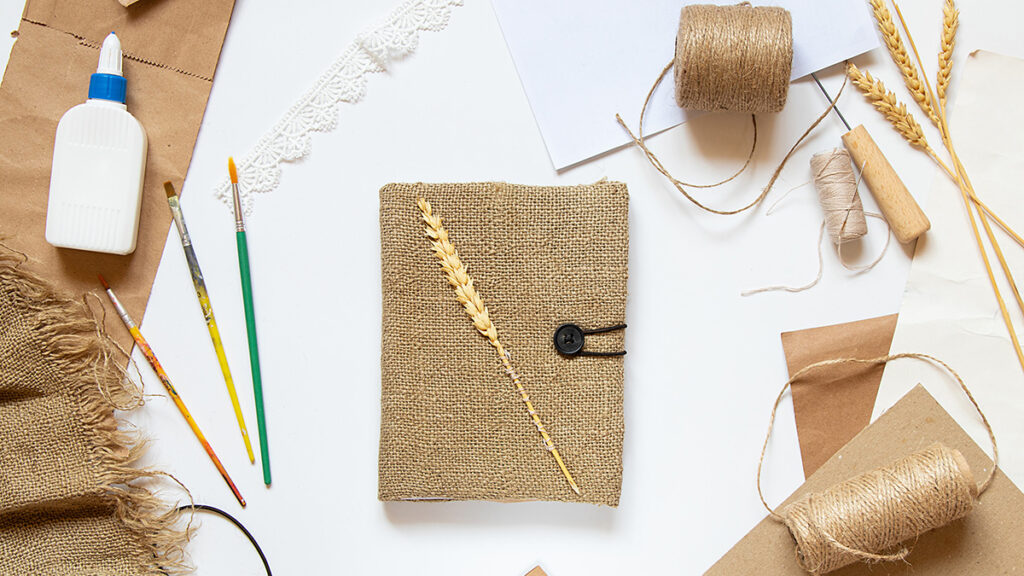
One place you may not expect to find grains is the classroom. Wheat straw, a byproduct of harvesting wheat, can be made into paper, reducing the need to cut down trees. Wheat can also be used to make strong, flexible glue. Because it is so sticky, it can even used for binding books together.
Corn is also found throughout the classroom, from hand sanitizer made using corn-based alcohol to parts of the room itself. Corn can be used to make carpet backing and even window blinds. Corn-based textiles help ensure more parts of the corn crop are used, turning byproducts into useful building materials rather than waste.

In your bathroom
You may be surprised to find out that grains play an important role in our hygiene! Sorbitol is made from grain corn and helps sweeten our toothpaste. Meanwhile, oats are used in lotions to help keep our skin moist, while also having anti-inflammatory properties which reduce itching and redness.
Many grains also contribute to other cosmetic products used every day. Soybean oil is excellent for hydrating lips, making it a common, naturally derived ingredient in lipsticks and lip balms. In many cases, multiple grains work together to create the products we enjoy. Wheat helps create the creamy texture of many shampoos and creams, while citric acid found in shampoos is often derived from corn. Together, each component has its own purpose.
On the shelf
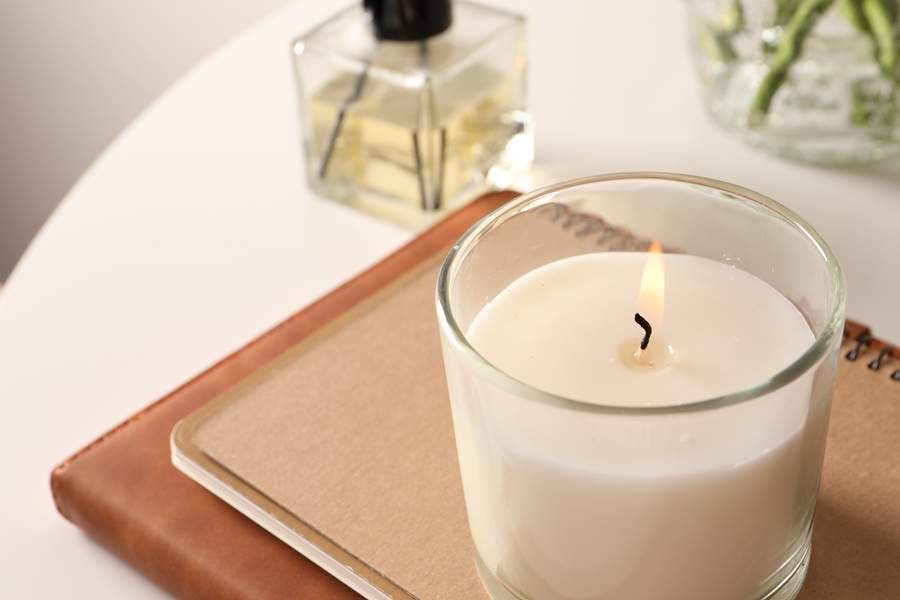
Many of us enjoy doing crafts and activities, but it may be surprising to learn that many craft supplies also involve grains. Crayons are often made with soybean wax. Soy wax is also commonly used in candles and wax melts as an alternative to petroleum-based wax. As soybeans are a renewable source of wax, soy-based waxes are generally considered more sustainable than petroleum-based wax candles and also tend to produce less soot.
Corn also plays a role in writing and art supplies. Corn-derived alcohol is used to make ink for pens and markers, helping create the vibrant, long-lasting colours we see on paper. Certain paints also use cornstarch as a thickener.
In the kitchen
Finally, grains have many uses in the kitchen that go beyond what’s on our dinner plates.
Soybean naturally contain oil inside the seeds and are extracted out to be made into a variety of food and household items including the wax used for candles or crayons. This wax can also be used to make eco-friendly food wraps. The finished food wrap can even be composted.
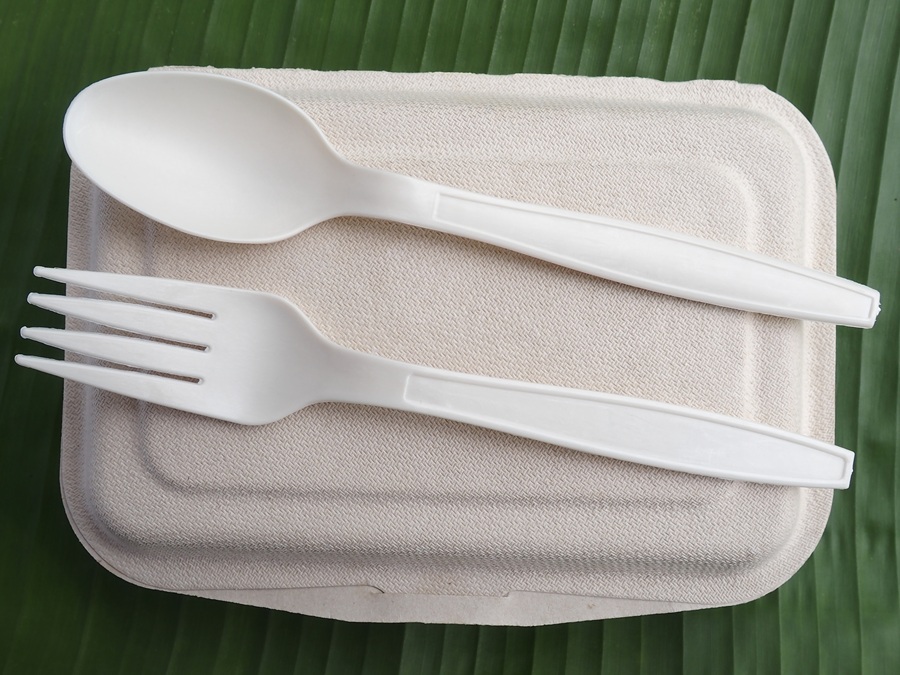
Another grain-based product you may see in your kitchen is bioplastic containers and utensils made from wheat straw, corn starch and corn oil. Bioplastics produce less greenhouse gas emissions and are biodegradable, meaning they are also able to be composted, helping save us from plastic waste.
Come check out how to make your own bioplastic with our home craft recipe: https://goodineverygrain.ca/2021/05/25/environmentally-friendly-craft-lets-make-bioplastics/
It’s exciting how many household and everyday items can be made from grains! You may have noticed that a lot of these items come from grain processing byproducts, which showcases how innovations in grains processing are letting us make the most out of everything we grow.
If you’re looking for a fun activity to do, you can try to find some of these objects and even more products made from Ontario grains with the Grains in Our Lives game.