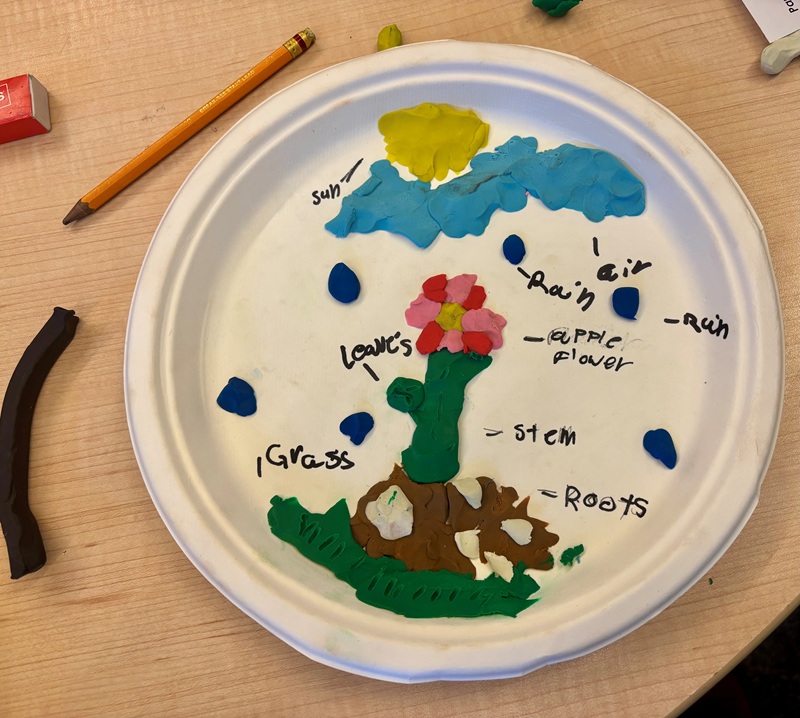
Classroom spotlight: What STEMterprise really looks like in Grade 3
Article content provided by Lyndsey VanDaele
After 17 years of teaching, it takes a truly special project to feel fresh, engaging, and genuinely meaningful for students. STEMterprise did exactly that.
I taught STEMterprise with my Grade 3 English class at Sacred Heart School (BHNCDSB), and it quickly became one of those experiences that reminded me why hands-on, real-world learning matters so much.
Why STEMterprise?
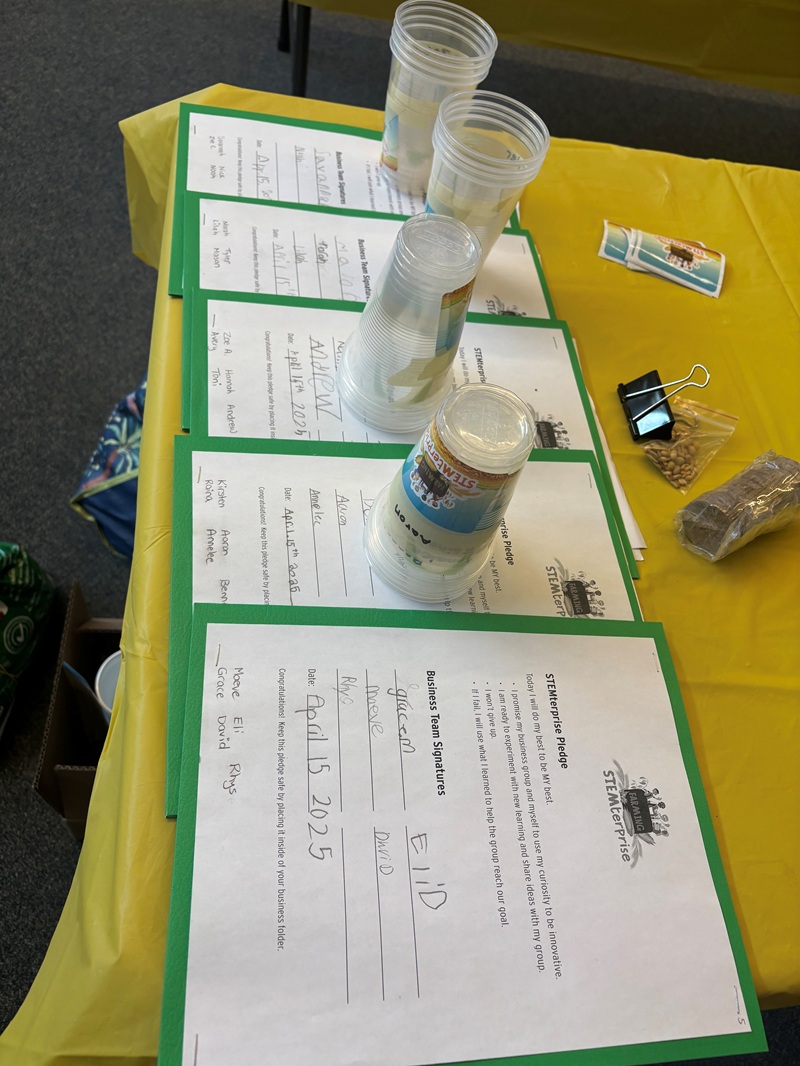
I first came across STEMterprise through a board email and was immediately intrigued. The project promised strong student engagement, meaningful real-world connections, and learning that spanned multiple subject areas. What really stood out was the idea of students stepping into the role of business owners—taking responsibility, making decisions, and investing in their learning in a way that felt authentic.
I also appreciated how accessible the project was. Everything was there: ready-to-use slides, student handouts, a seed-planting kit, and even funding support for materials needed to make granola bars. It removed many of the usual barriers that can make larger projects feel out of reach.
First impressions (and a learning curve)
At first, I’ll admit I felt overwhelmed. There are a lot of slides and activities, and some components—like the farm equipment construction—seemed prep-heavy. However, once I gave myself permission to pick and choose what worked best for my class, the project became far more manageable. STEMterprise is flexible by design, and that flexibility is one of its strengths.
How it looked in our classroom
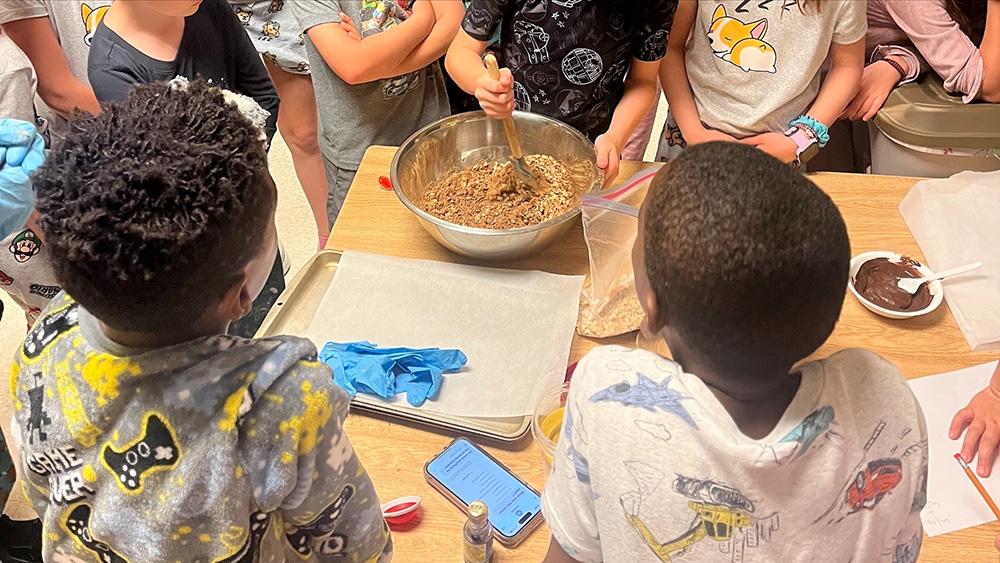
I followed the lessons for the most part, supplementing where I needed more assessment opportunities for report cards. Since we had already covered soil earlier in the year, we skipped that section. Time constraints meant we didn’t get to the farm equipment build or the Dragon’s Den activity, but we did end the project with the granola bar experience—on the very last day of school!
That final activity was a highlight. Next year, I plan to start STEMterprise at the beginning of the school year and revisit it throughout the year so we can explore every component more fully.
A standout moment
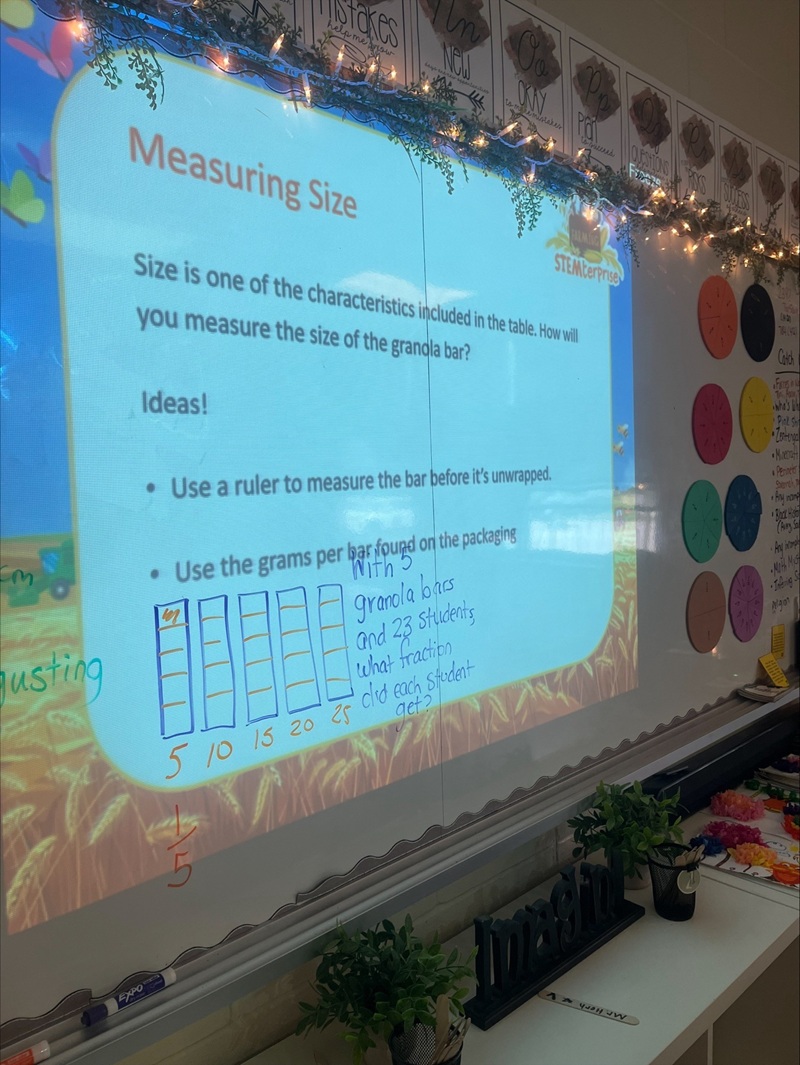
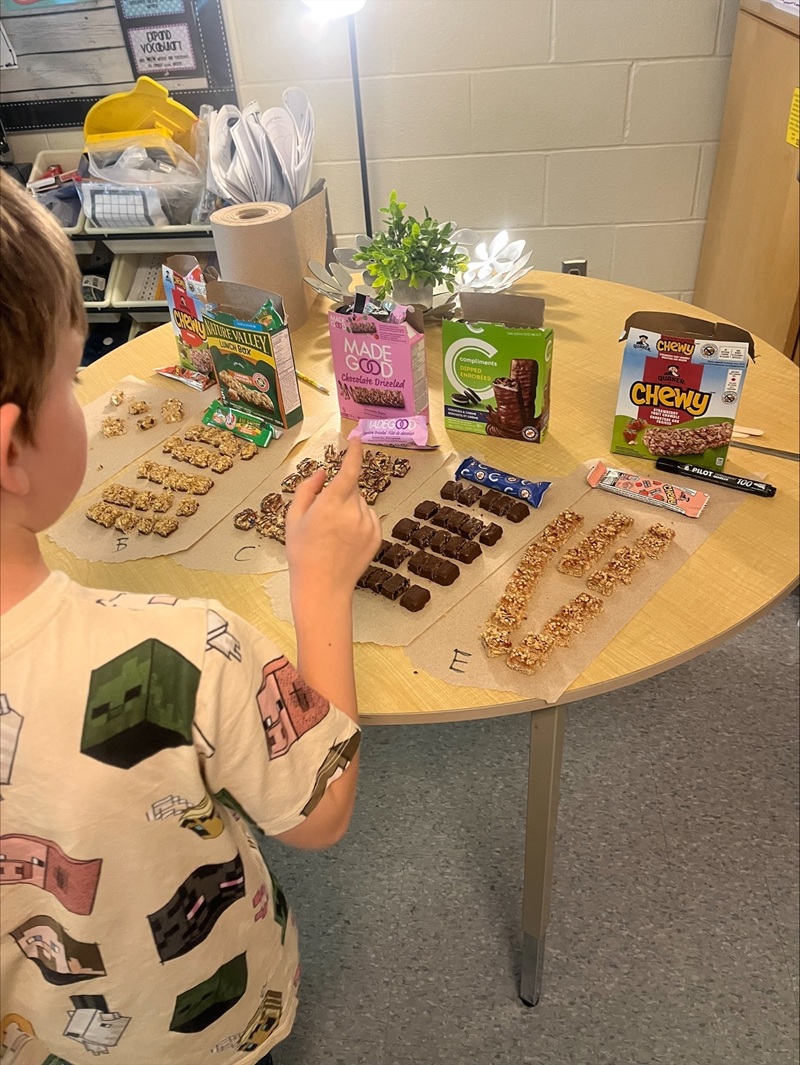
The granola bar testing was, without question, the students’ favourite part. They loved thinking critically as consumers—tasting, comparing, and collecting data—and then switching perspectives to reflect as business owners. Using data to guide decisions suddenly felt real and important, not just theoretical.
Student and parent response
Students were highly engaged, and parents were equally enthusiastic. Many commented on how exciting the project sounded and how much they appreciated a learning experience that was both educational and fun. It sparked great conversations at home about food, farming, and decision-making.
What I learned along the way
One of the biggest learning moments wasn’t academic—it was social. Students struggled with cooperation and group decision-making, especially when opinions differed. Instead of seeing this as a setback, it became an opportunity to teach compromise, collaboration, and data-driven decision-making. Working through challenges—and even failure—proved just as valuable as the curriculum content itself.
Tips for teachers considering STEMterprise
- Give yourself time. This isn’t a one-week project—plan for it to unfold over time.
- Preview the lessons. Knowing what’s coming helps you decide what to emphasize or adapt.
- Lean into flexibility. You don’t have to do everything for the project to be meaningful.
- Use challenges as teaching moments. Group work and decision-making struggles are part of the learning.
Final thoughts
STEMterprise is a powerful way to bring learning to life. It connects science, math, health, media literacy, and social studies in a way that feels purposeful and engaging. More importantly, it helps students see themselves as thinkers, problem-solvers, and decision-makers in a real-world context.
It’s a project I’m excited to revisit—and expand—next year.