Soy protein: Plant-based power
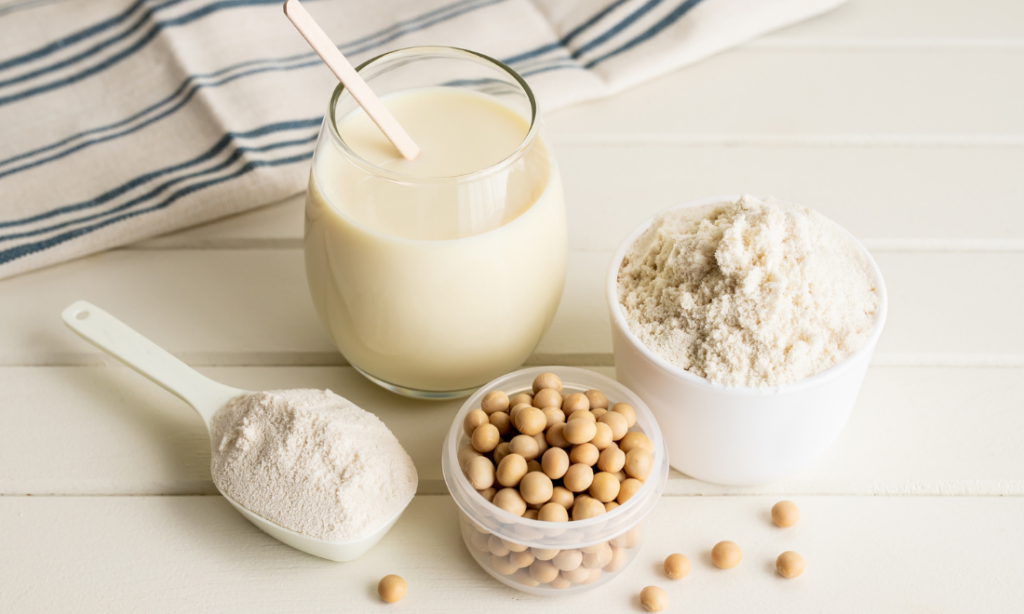
Many grains can be nutritious sources of protein, but soybeans especially stand out as an important source of high-quality protein. What makes them unique is that soybeans contain all the amino acids (the components of protein) that the human body cannot produce on its own, making them known as a complete protein. This has made soybeans a unique and popular choice for making many different plant-based foods and meat alternatives, commonly in the form of soy protein.
Where does soy protein come from?
Like all our grain-based products, soybean protein starts off in our fields. Most soybeans grown in Ontario are grown for the oil crush market. Soybeans are high in both protein and oil content- and when grown for the oil crush market, the oil from the seeds is extracted to produce many different household products, biofuel, and vegetable oils.
To extract the oil, soybeans are cleaned, have their hulls removed, are heated, and then rolled into thin flakes. The oil is then removed from these flakes. After the oil is extracted, the remaining pieces are dried, leaving behind a product containing mostly protein. These leftover soybean flakes can be further processed to create soy protein ingredients used in a variety of foods or ground up to be fed to animals as soybean meal.

What foods contain soy protein?
Soy protein is an important component to many foods.
- Protein bars and drinks often include soy protein as an ingredient, which serves as a source of protein and improves the texture.
- Soy flour, made from grinding and refining soybean flakes, can be used as a substitute for other kinds of flour in baking to create high-protein versions of common baked goods.
- Plant-based meat alternatives often use textured vegetable protein, which is largely made up of soybean protein.
Soybeans are an important ingredient for many other foods as well. Food-grade soybeans are typically higher in protein, so they can be made directly into delicious foods such as tempeh and tofu which have been enjoyed across the world for centuries.
Regardless of how you add soybeans to your diet, they can be a valuable source of high-quality protein to help support your daily activities. They are a safe and effective way to add both protein and fiber to your diet. Soybeans are also known to be a good source of omega-3 fatty acids and magnesium, both which are important for brain functioning. Whether enjoyed in a snack, a meal, or a savory appetizer, soybeans can be a versatile ingredient to include in everyday cooking.
Looking for ideas? Check out our recipes.