Processed foods: Why they can still be good for you
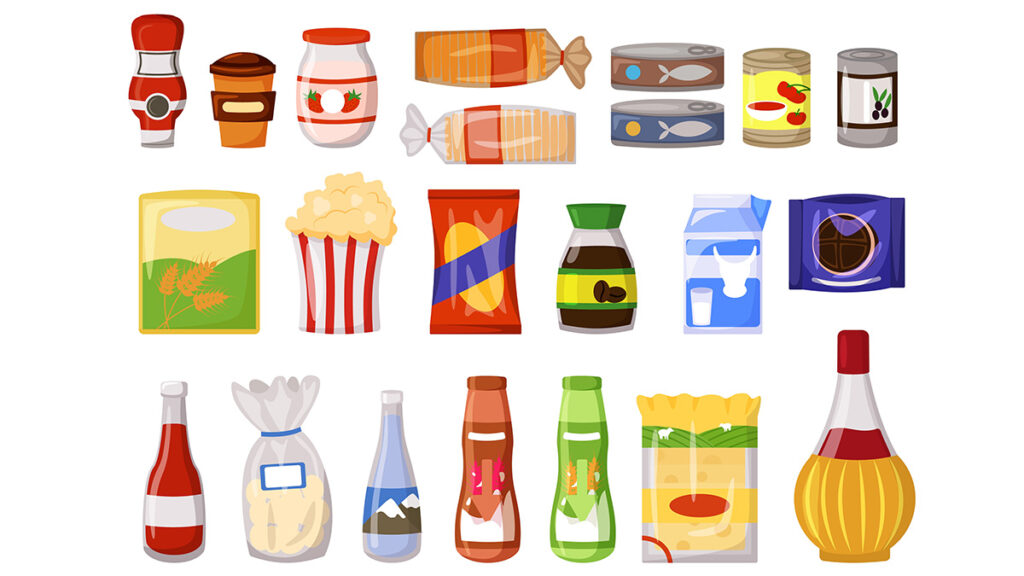
Processed foods get a lot of negative attention these days. They’re often blamed for everything from heart disease to cancer, and even the term itself can sound a little scary. But are all processed foods really all bad for us? What if it was possible that they could be not just nutritious, but even better than their whole forms? Let’s take a closer look at what “processed or ultra-processed” really means and why food processing isn’t always a bad thing.
What is food processing? Why do we do it?
Processed foods may sound like a modern invention, but humans have been processing food since the beginning of civilization. When people first ground wheat into flour and baked bread, they were already processing food, changing it into different forms. For a long time, processing has helped us make nutritious food, improve its taste, make it easier to eat, and preserve it.
Processing can make foods better for us. Refined flours are enriched with nutrients to add back nutrients that were in whole grains. For example, adding folate to bread has helped reduce neural tube defects, an example of how additional processing can improve public health.
Grains can also be processed in different ways, such as being used as whole grains or being milled to make refined grains such as white bread or pasta. Each has its own advantages for your diet. Even in processed foods, whole grains have been shown to help reduce chronic disease and promote healthy blood sugar levels, while refined grains provide a quick source of energy.
In fact, some foods need processing for us to even be able to eat them. They may have nutrients which we cannot digest or benefit from without processing. For example, raw mature soybeans from the field aren’t very tasty and are hard to digest, hence the invention of foods such as tofu. Foods like tofu allow us to enjoy the benefits of eating soybeans, such as healthy high-quality proteins, in a way that we can more easily eat.
Processing also helps food last longer. Being able to enjoy grains year-round is incredibly convenient and allows more people to benefit from eating healthy whole grains, regardless of season or location.
So, while food reaches our plates in many ways, and that doesn’t automatically make it better or worse for us, and not all ultra-processed foods are bad. As with many aspects of nutrition, balance is key. Grains are an important part of a healthy, balanced diet in many ways, and avoiding all processed foods can mean missing out on essential nutrients and practical benefits that come from grain products.
Instead of focusing on a single label, it’s more helpful to look at the overall picture. We should focus on consuming foods and meals that have vitamins, minerals, and other essential nutrients our bodies need. We can also learn how foods are grown, processed, and prepared to help us make choices about our own diets (Our blog has lots of information on how Ontario grains are grown, processed and made into foods we can enjoy every day!)
Most importantly, everyone’s needs are different. Rather than letting fear or social media trends guide our choices, we can focus on what works best for our own lives. There is nourishment to be found and enjoyed across all different kinds of grains foods and recipes.
Keep following us over the next few months to find out how different grain foods are produced and processed, along with how they can help support a balanced, delicious diet.